
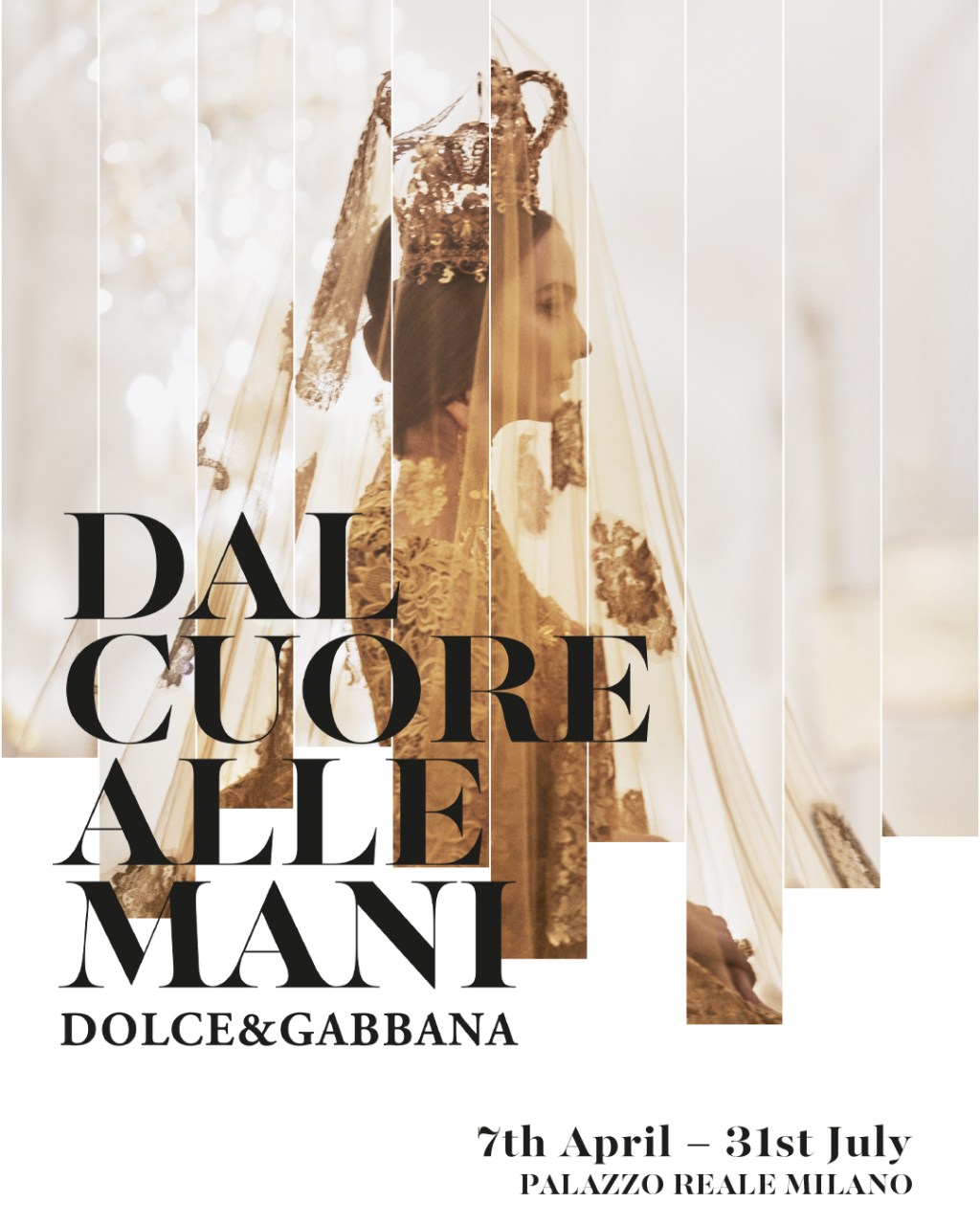
After living in NYC for almost a decade, with the bliss of the Costume Institute of the Metropolitan Museum, I have seen numerous large-scale and well-curated fashion exhibitions, whether it be about one brand or theme. As a lover of fashion, I loved them all but this exhibition for Dolce & Gabbana, Dal Cuore Alle Mani, just had me drop to the floor, not only with its beauty but also its wholesomeness delving into history and art.
Dolce & Gabbana
This exhibition shows the history of the brand, Dolce & Gabbana. One of the most celebrated fashion house, Dolce & Gabbana is an Italian brand founded by two designers Domenico Dolce and Stefano Gabbana.
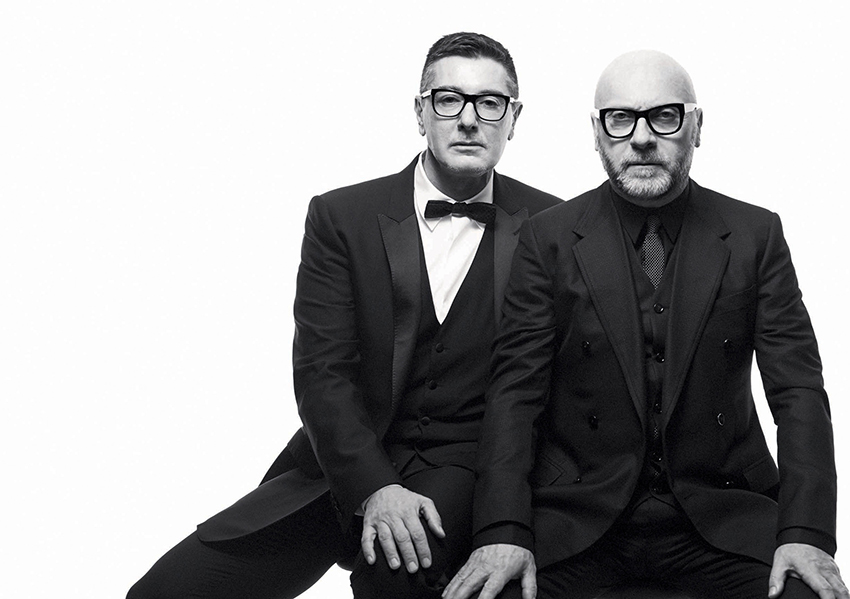
Born in 1958, Domenico Dolce was born in Sicily to the family of “sarto”, tailors. From 7 years old, Dolce already started making clothes at his father’s factory. After graduating from high school, Dolce transferred to Milan to attend the fashion design school Instituto Marangoni. Soon after, Dolce started to work for the designer Giorgio Correggiari. It was during this time when he met his once romantic and lifetime business partner, Stefano Gabbana. Gabbana was born in Milan in 1962. While Dolce came from fashion design background, Gabbana came from graphic design background. Both decided to open its brand in 1983. The brand is known for its opulent and ornate aesthetics, drawing inspirations from every corner of Italy. This really has captivated the world and expanded their business to jewelry, perfume, cosmetics, furnitures to even food and drinks.
Dal Cuore Alle Mani – From the Heart to the Hands
The exhibition goes through 10 room with different themes that is crucial to the brand. Here is the guide of the exhibition to the best of my ability.
I. Fatto a Mano (Handmade)
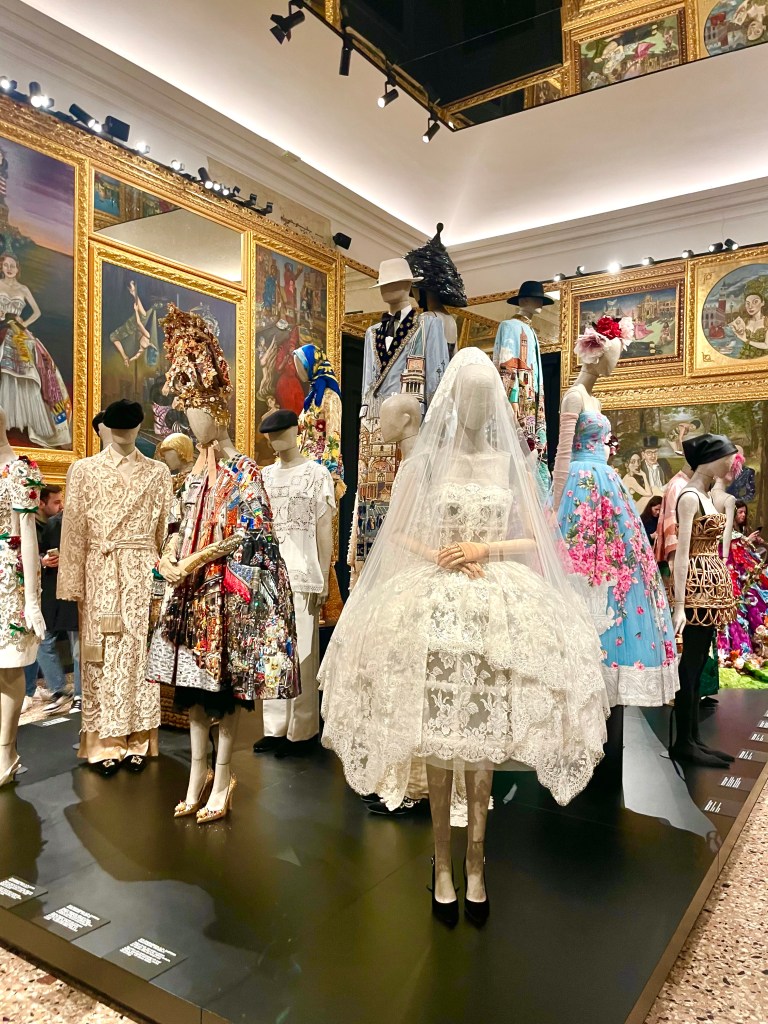
It all starts in this room where is dedicated to Fatto a Mano (Handmade) highlighting the artisanal heritage and craftsmanship of the brand. The room was surrounded by artworks by Anh Duong who was commissioned to fill the room.
Anh Duong is an American artist born in France to a Vietnamese father and a Spanish mother. She once worked as a model and around this time she met Dolce and Gabbana. Even after she transitioned to the artist, the two designers continued to support her through her career. Her works often feature herself, serving as her diary. In this case, she put herself throughout Italy, doing the Grand Tour* that connects to the basis of the Alta Moda(Haute Couture) collection of the house.
* The Grand Tour was a traditional trip undertaken by young European men of means from the 17th to 19th centuries. It involved visiting cultural and historical sites in Europe with Italy as a Key destination, providing educational and cultural development.
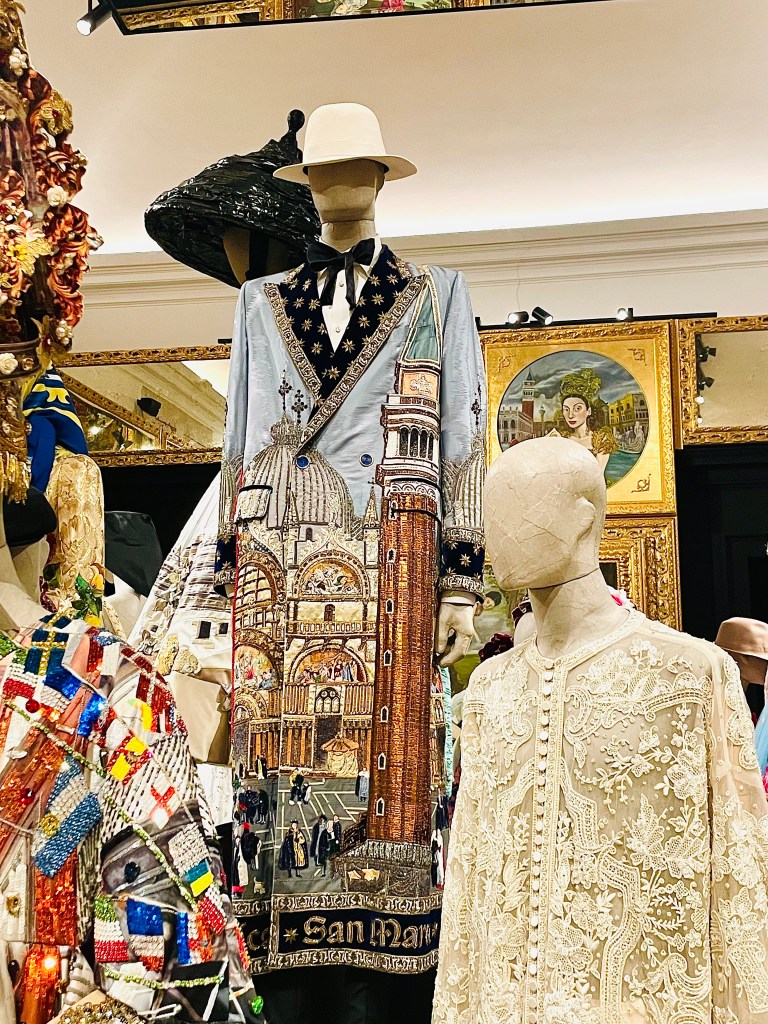
Basilica di San Marco, Venezia

© Efrem Efre onPexels.com
© Au Ri on Pexels.com
Despite of how overwhelmed one feels walking into the room, this was only the beginning. This room really served well as an overview for more coming up.
II. Il Vetro Artistico -The art and crafts of Glassworking
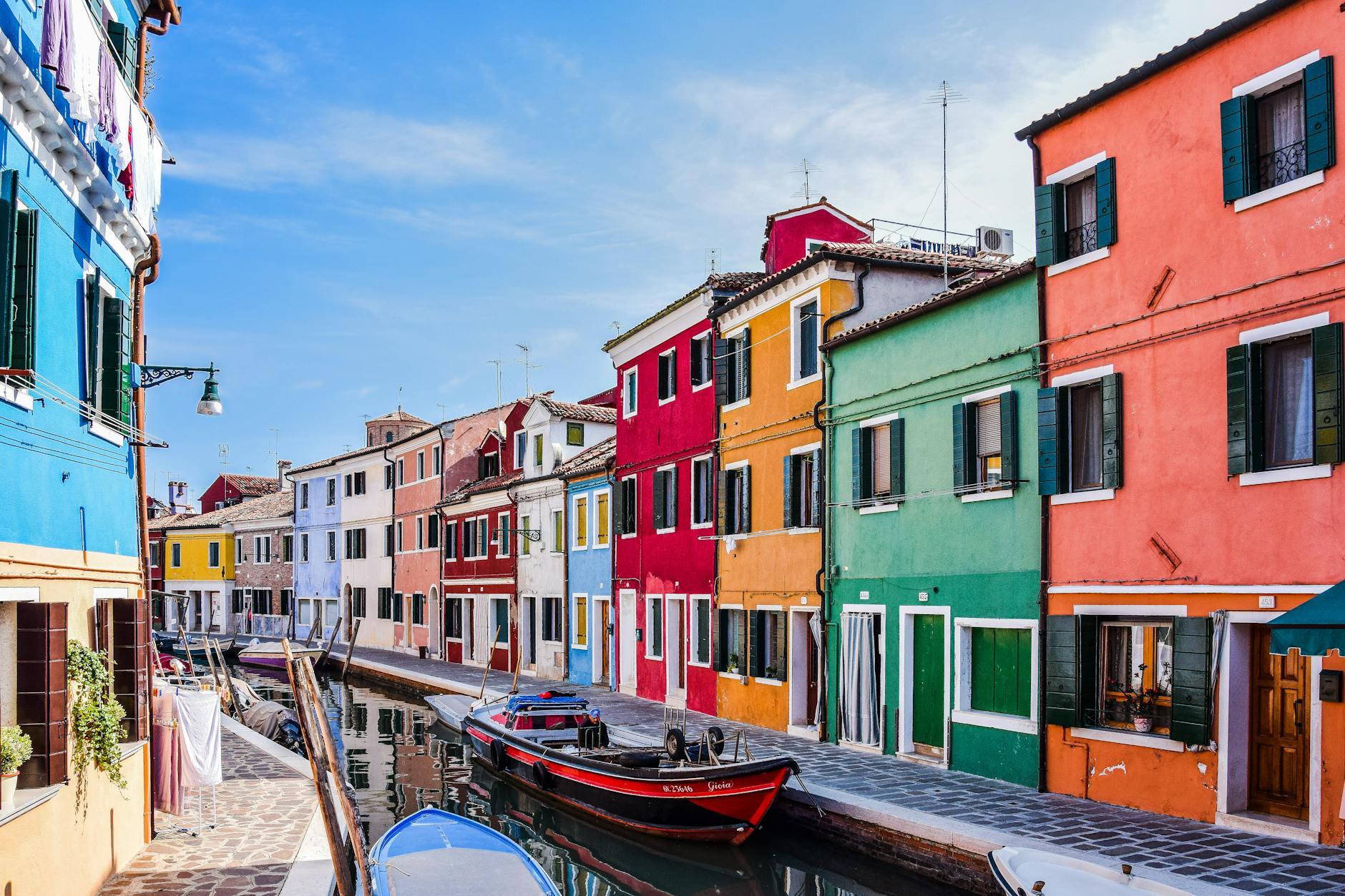
Perhaps it is obvious that Venice is one of the main inspirations for the brand given its rich culture. Additionally, it is where the family of Stefano Gabbana came from, Veneto.
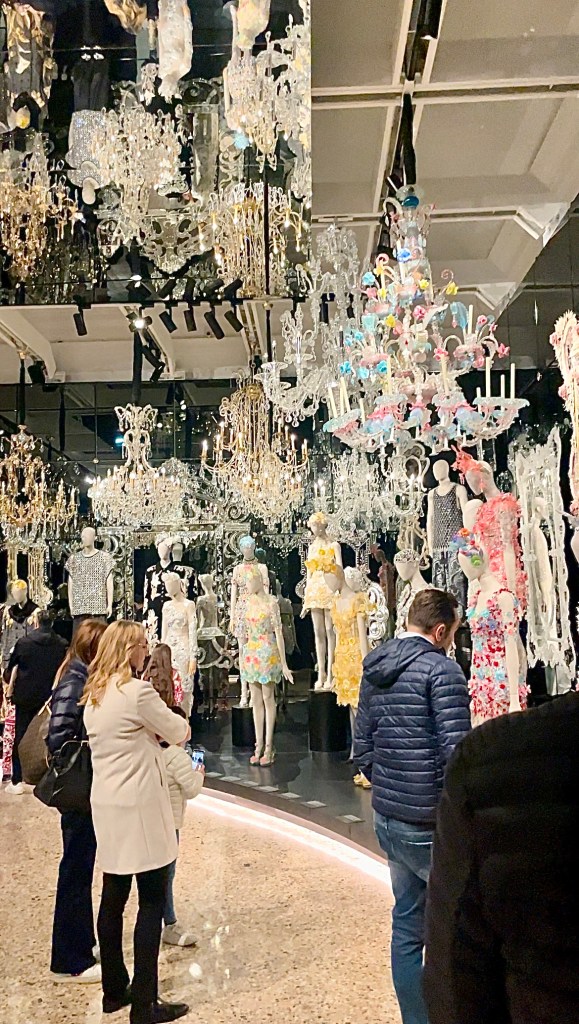
Known for its quality, colors, and ornateness, Venetian Glass has been the specialty of Venice. It is yet uncertain when and where the glass has invented, but surely it was not a strange material for Venetians as not only Pliny the Elder from ancient Greek period has mentioned glass but also Venice has been a powerful empire from maritime commerce.1 The first written record about the glass was from 982 AD.2 The industry continues to grow and in November 8th , 1291 the law was mandated that glassmakers to move to the island of Murano from the main island of Venice.3 The main reason was that furnaces would pose as a fire hazard to Venice. Yet, moving glassmakers to an island had another advantage as it was easier for Venetian government to prevent its highly sought-after technicians and techniques to be leaked. So it did. The glassmakers were not allowed to leave Murano for their entire life without the permission of the government. An attempt could end up with death. 4However, they also treated glassmakers with privileges , with vacation lasting from 3 to 5 months and social status was heightened as many of their daughters married noblemen. 5
© Photo by AXP Photography on Pexels.com
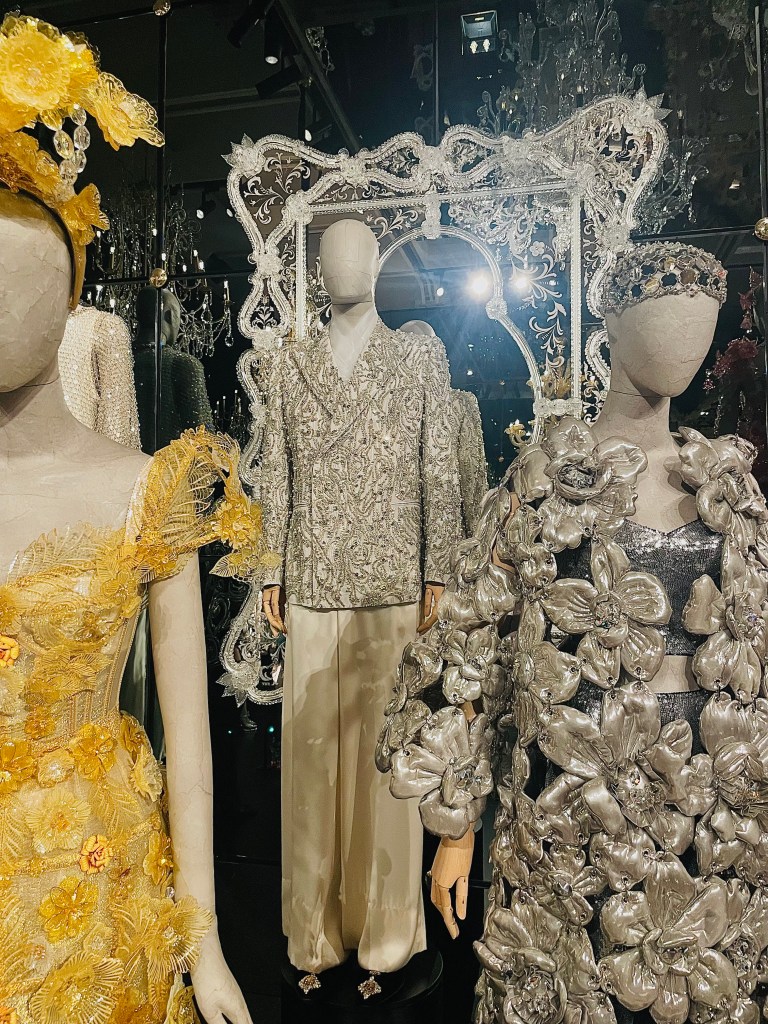
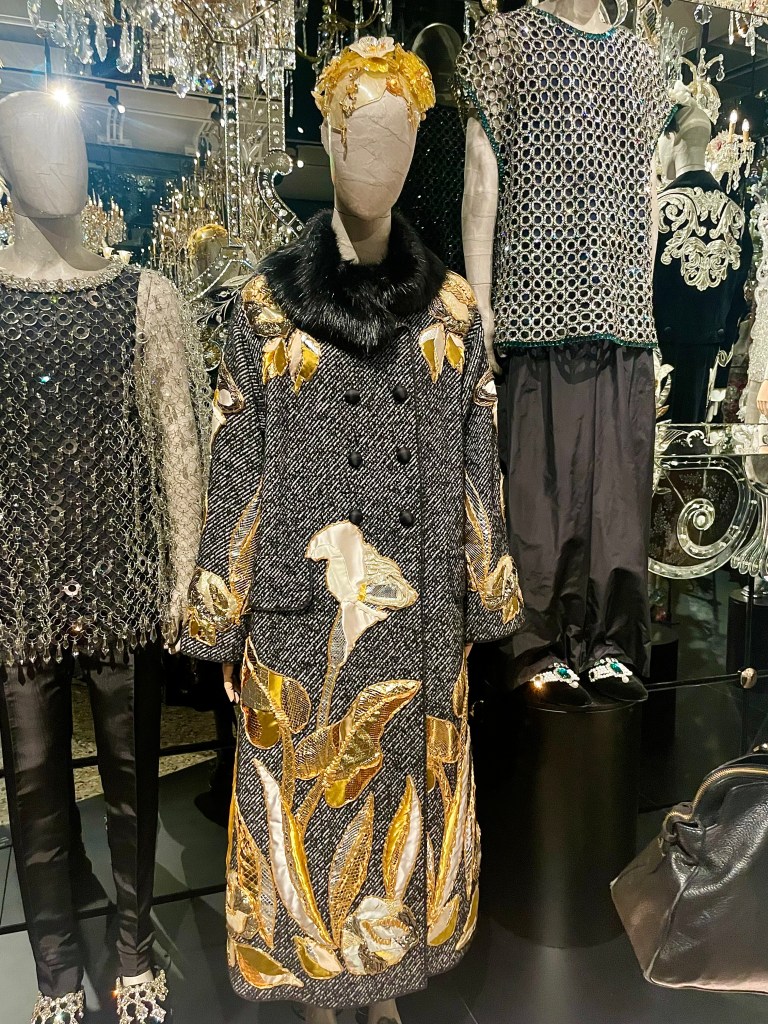
Venetian glassmakers made some remarkable innovations such as multi-colored glass beads (a.k.a. Murano beads), chandeliers, mirrors especially with the artworks around, and filigree glass that would feature a pattern made out of glass thread/cane, all of which could be found on the clothings on the exhibition.

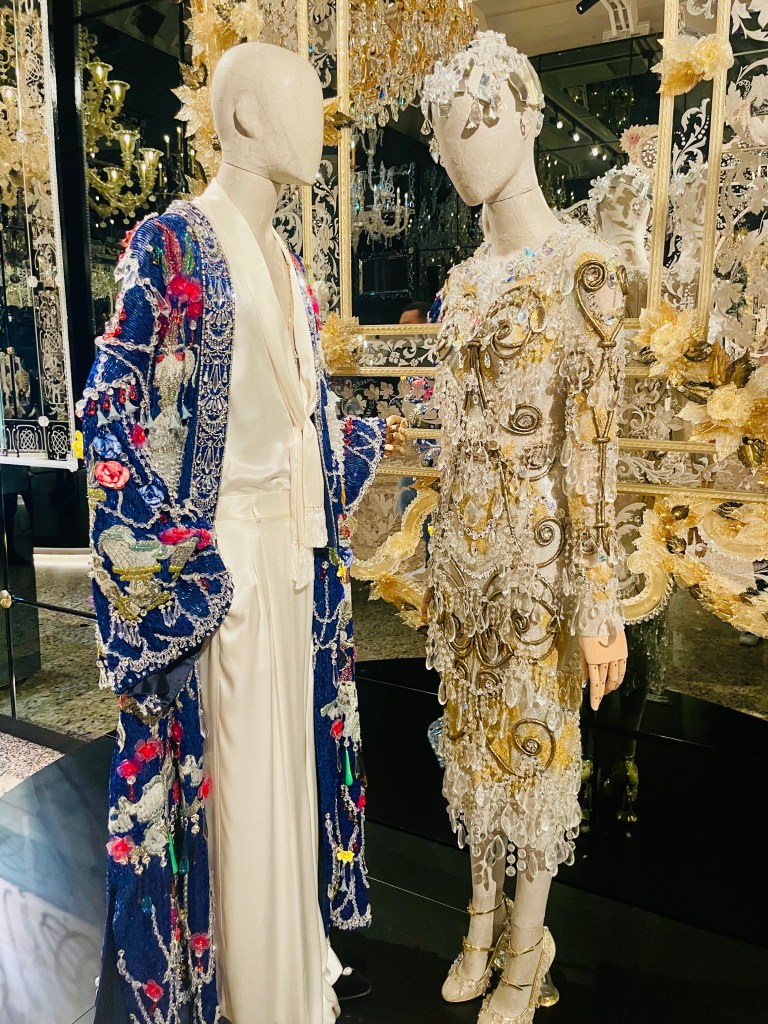
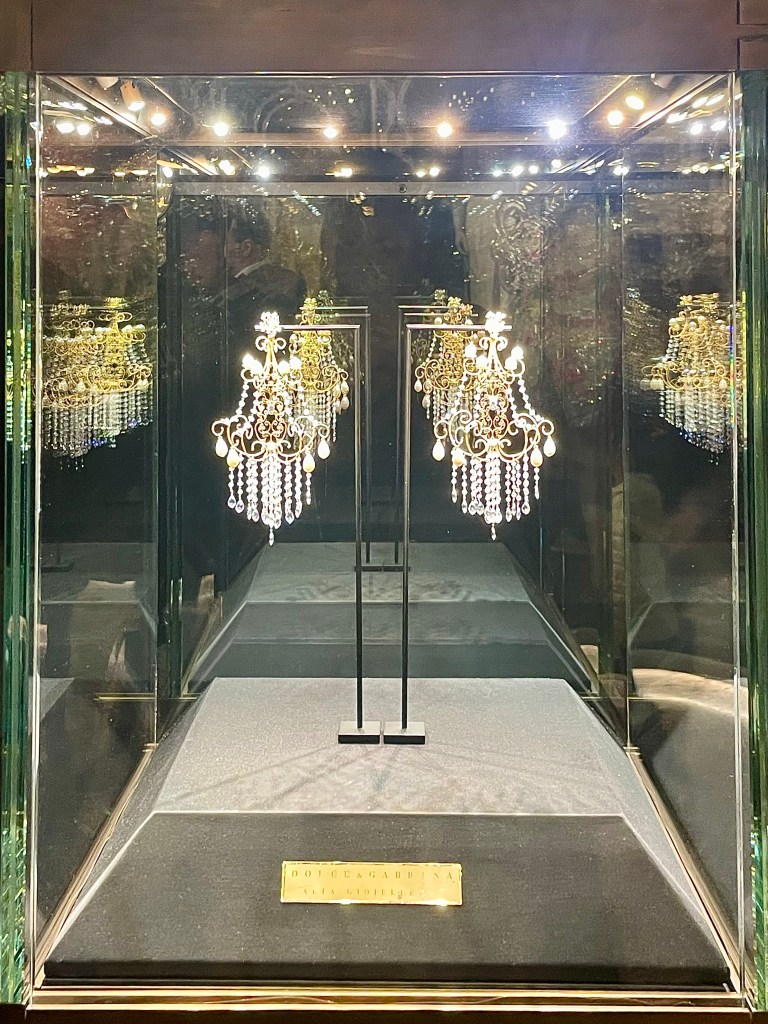
III. Il Gattopardo– The Leopard
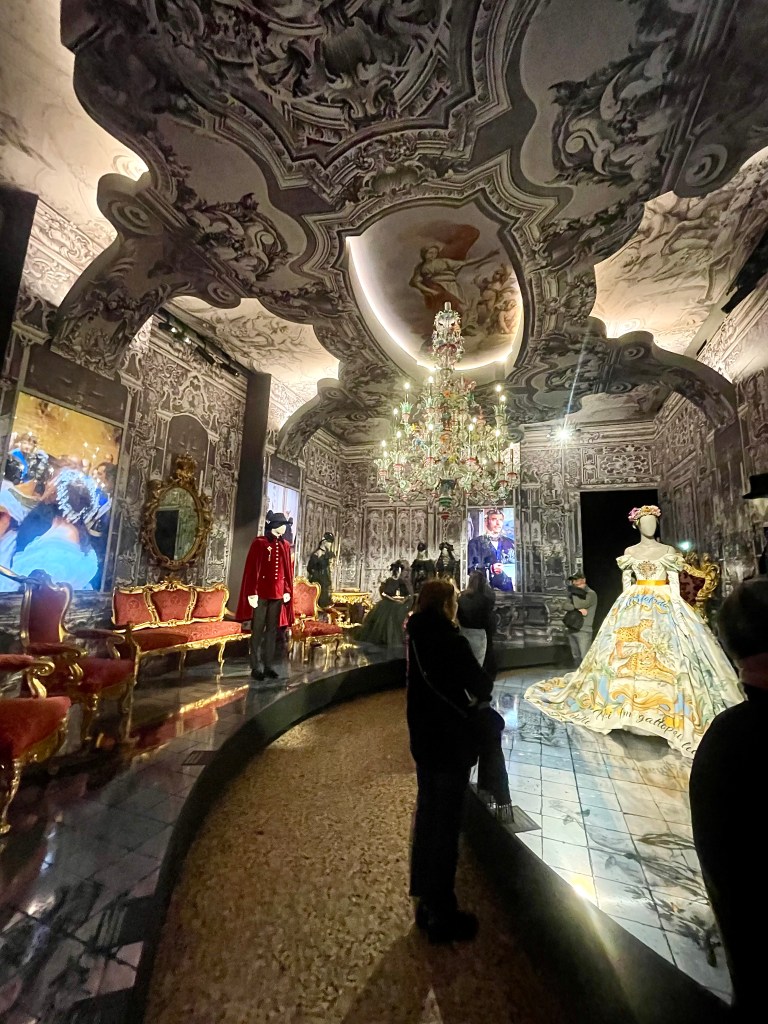
I know. Dolce and Gabbana is also known for its signature animal prints but hold the assumption because this next room is dedicated to the film Il Gattopardo (The Leopard), not to their use of animal prints. Il Gattopardo is a film based on one of the crucial novels in modern Italian literature written by Giuseppe Tomasi di Lampedusa. It talks about changes occurring to the lives of the Sicilian noblemen during the time of Risorgimento, the unification of Italy where aristocracy starts to fade in the society after many years in power.
The novel was made into the movie in 1963 by the director Luchino Visconti, starring Burt Lancaster, Alain Delon (R.I.P), and Claudia Cardinale. The movie also was a success and won numerous awards including Palme d’Or at the Cannes Festival. The movie demonstrates the last opulent and rich lives of the aristocrats in Sicily, which were also projected on the wall.
The costumes of the movie were designed by the legendary costume designer Piero Tosi (b.1926). He had paid an immaculate attention to the accuracy of the clothings of the time. At the time, the corseted top and full skirt was the norms for women. For the day, they would wear more high neck top whereas for the evening, ruffled off-shoulders were popular as you can see from the historic photos, all of the elements from which Dolce and Gabbana also had took an inspiration.6
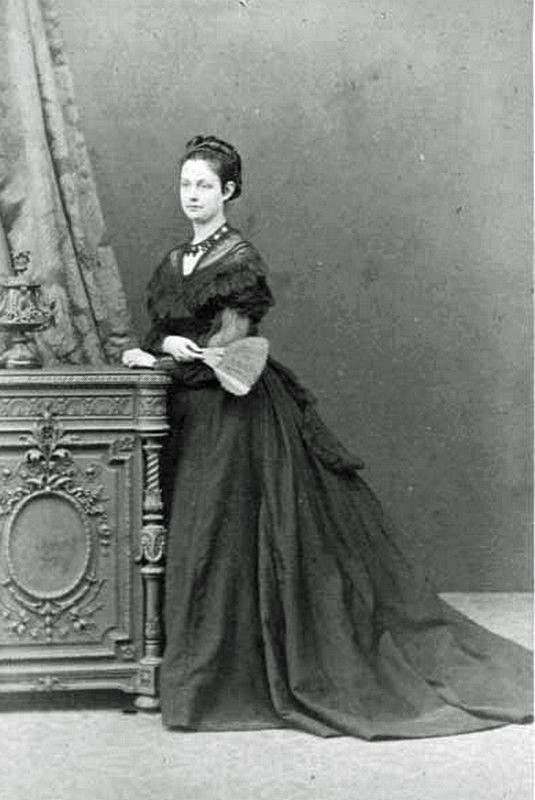
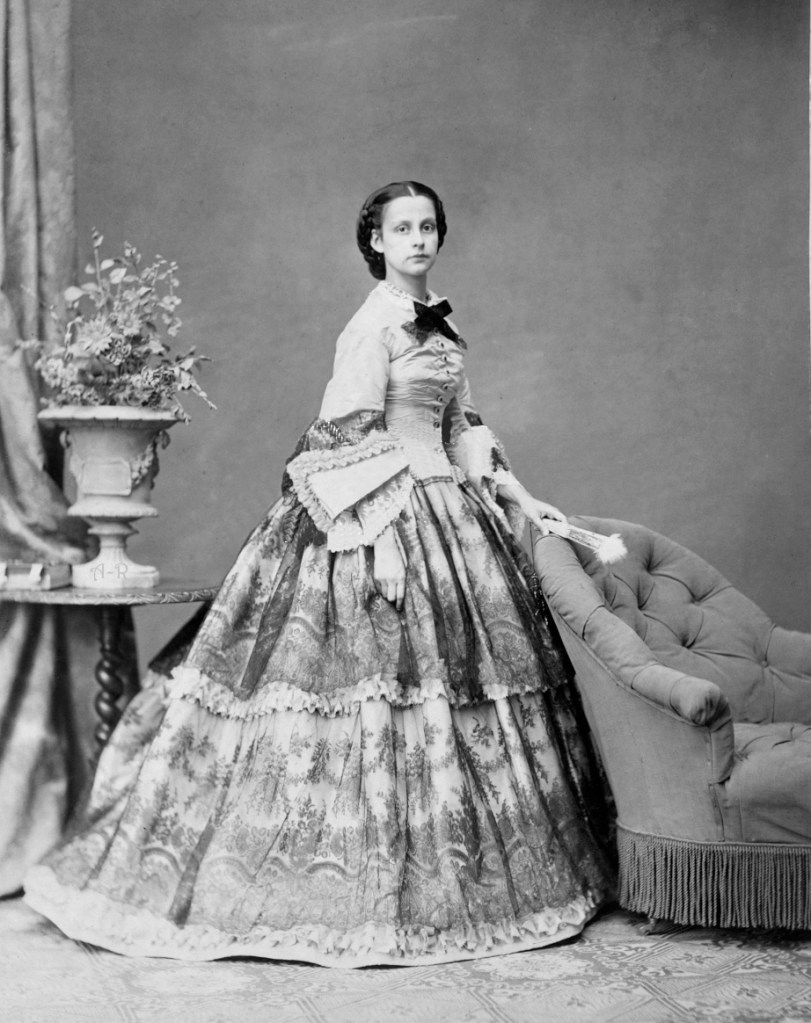
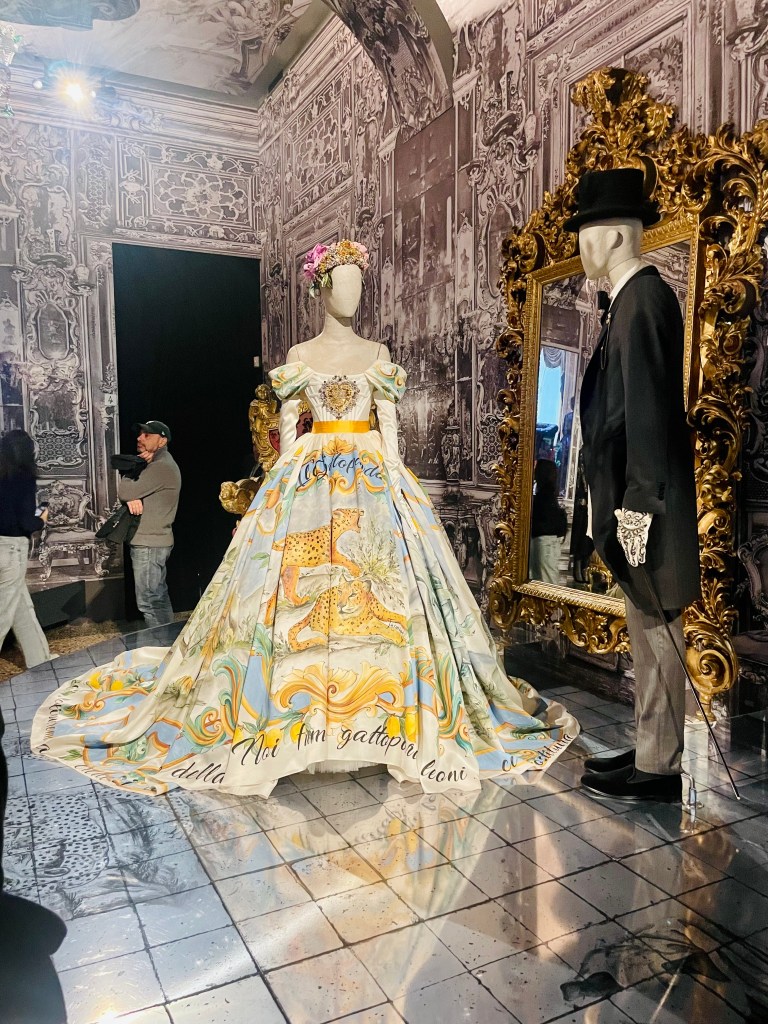
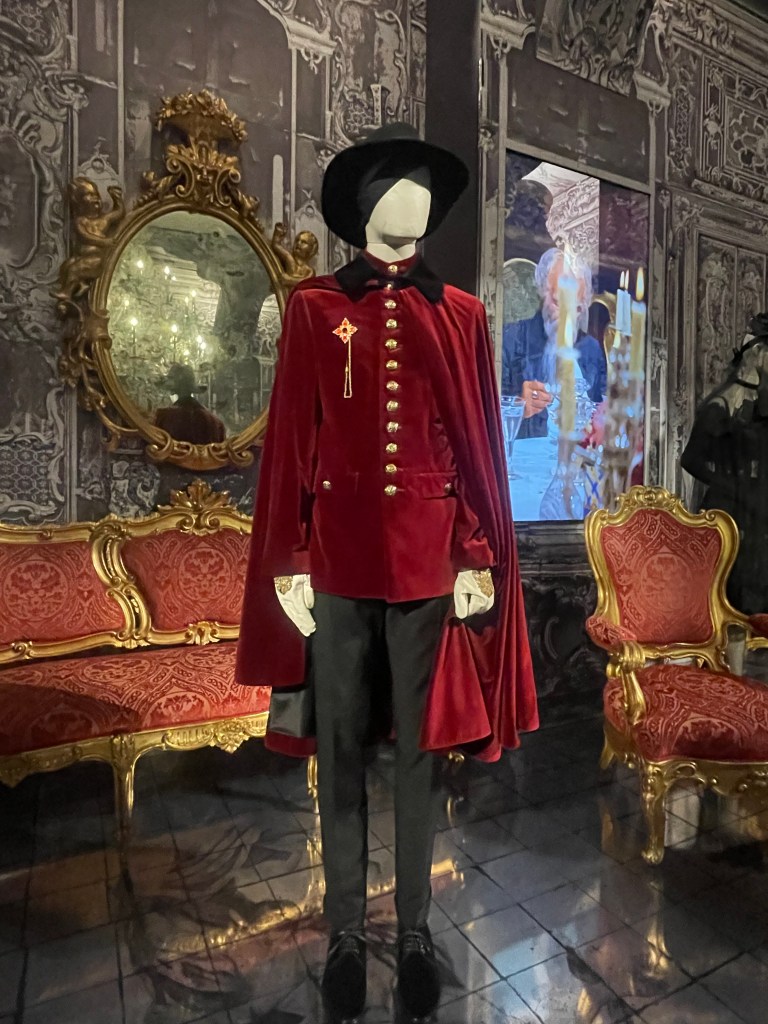
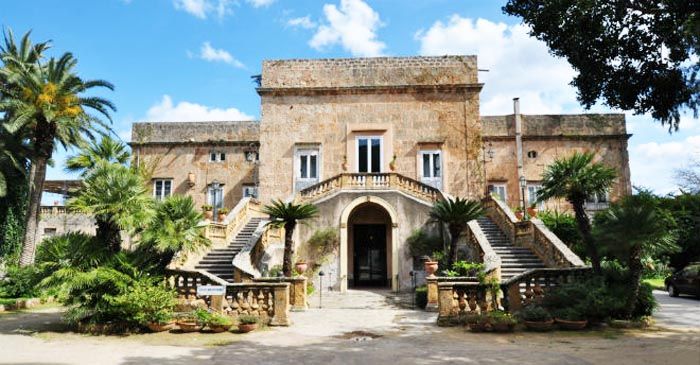
The film was filmed in Villa Boscogrande in Palermo. Built in 1768, the villas was built on Pianna dei Colli, with inspiration from the Versailles.7 The Villa is decorated with rich frescoes and refined garden. It is now a private event venue so it is hard to visit but if you have a chance, it would be a wonderful location to visit. I have attached video for those who really wants to see it.
IV. Devotion
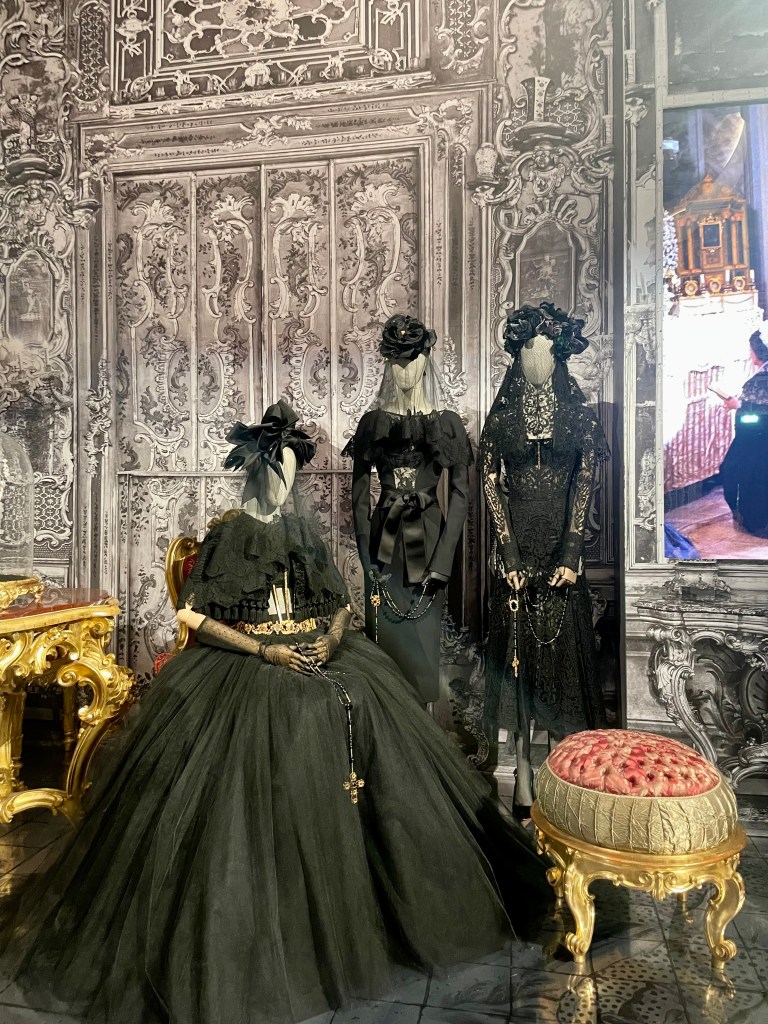
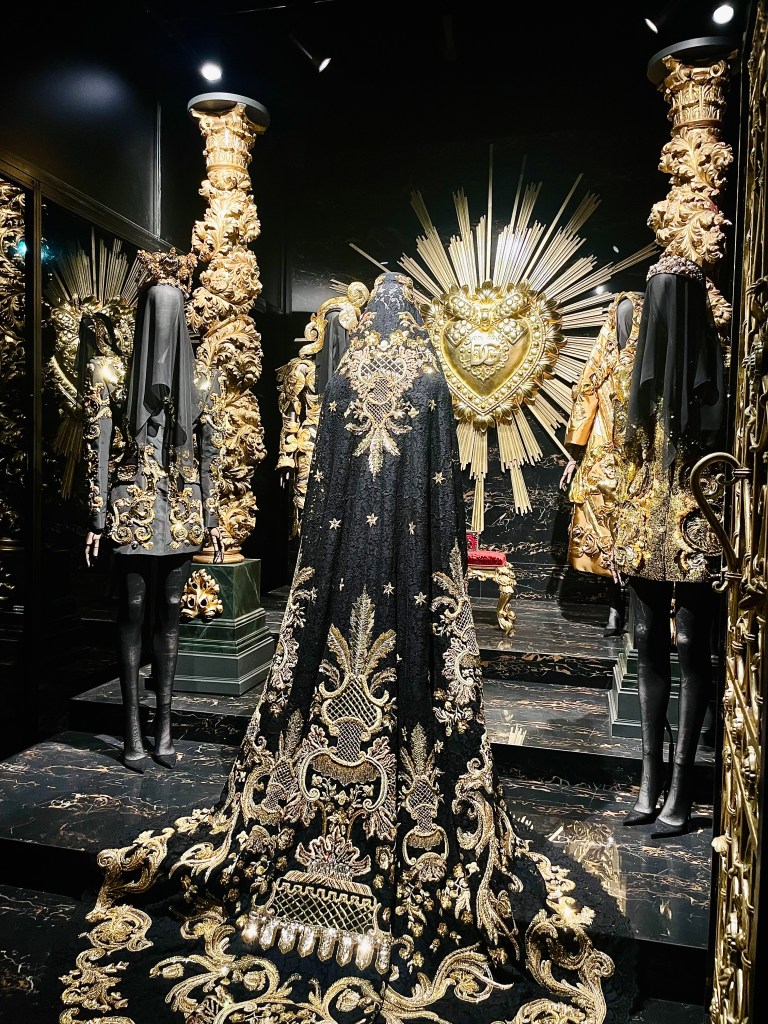
After the Gattopardo, the visitors walk into the sacred chamber dedicated to the devotion. Although there is a freedom of religion, the main religion in Italy is undoubtably Roman Catholic. According to the AP News report, it is said that 80% of Italian is catholic even if they do not actively go to the services. 8 Typically, it is known that the Southern Italy is more religious than the North. One source claimed that Dolce has proclaimed to be a devout catholic. Despite the truth, growing up in Sicily, it would be inevitable for him to avoid catholic culture. In Sicily, a unique form of architecture has risen in 17th to 18th century called Sicilian Baroque, known for rich curves and flamboyance usually in gold.
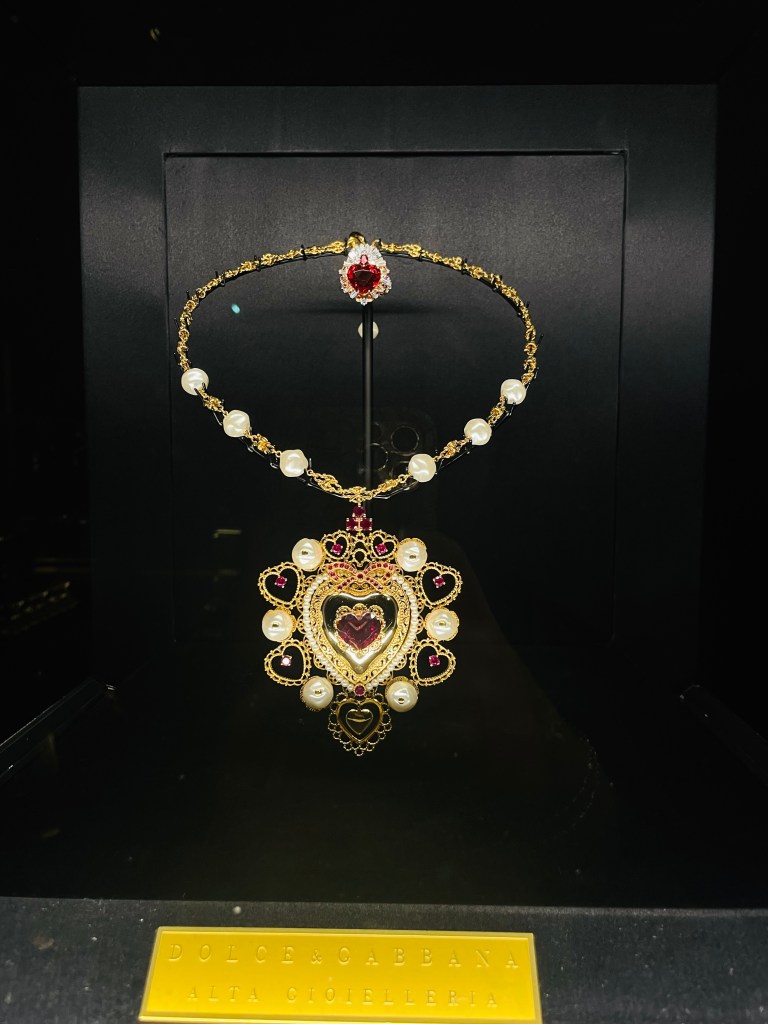
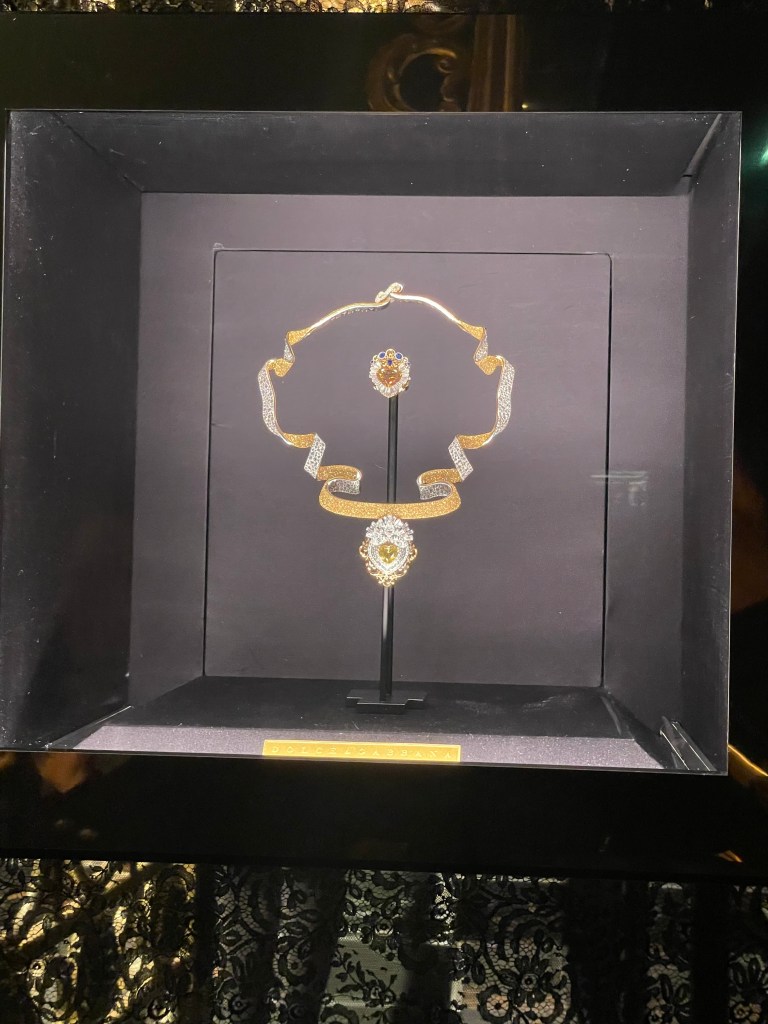
The exhibition replicated this style, marked by its highly decorated columns and gate. The main motif of the room is the sacred heart as you can see from the main altarpiece on the back as well as jewelries. This heart shape signifies “God’s boundless and passionate love for mankind”.9 It certainly took Dolce and Gabbana devotion and love to the brand where it ended up where it is now.
Although there is no record as to where this room was inspired from, I could not help from thinking about the Sanctuary of Saint Rosalia, the patron saint of Palermo. Born as a noble woman, Santa Rosalia dedicated her life to faith and was led by two angels to live the life of hermit in the cave of Mount Pellegrino. After disconnecting from the society, no one knew her whereabouts even after her deaths despite the several attempts until almost 400 years later when the Plague beset in Palermo. There was a man who was about to end his life after losing his wife to the plague. He was stopped by the vision that led him to the cave in Mount Pellegrino. There he found the body of Saint Rosalia. He was told to have a procession around the city with the remains and after three times around the city, the plague has ceased.
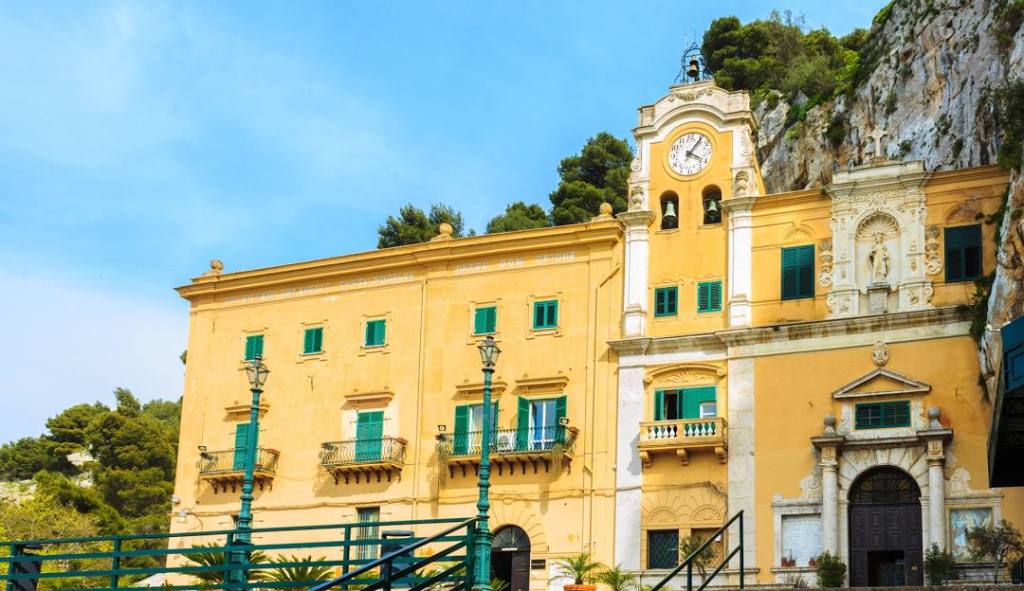
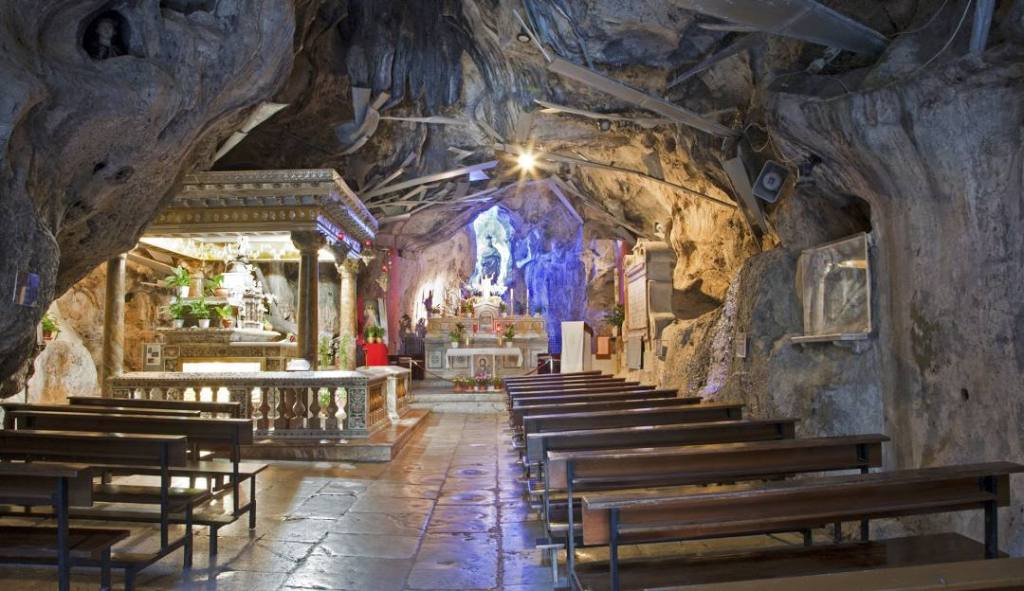
Ever since, Saint Rosalia has become the patron saint of Palermo but also a saint for Plague. The cave where Saint Rosalia was found now is a sanctuary of Saint Rosalia. In the sanctuary, there is an altar where statue of Saint Rosalia is lying. All around the altar, there are ex-votos, offerings to the saint, in shapes of heart like the altar at the exhibition. It is not so popular destination amongst tourist but it is definitely a crucial spots for the locals. It is the one of rare churches located in the natural cave and additionally the fact that it is on the top of the mountain so it also has a nice view of the city as well. If you want to be real local, do not forget to try Stigghiola at Stiggiolaro located in the entrance to the road to go up to the Sanctuary. If you happen to be in Palermo on September 4th, you can participate in a tradition of walking up to the sanctuary barefoot. Also, if you are in Palermo on 14th and 15th of July, do not miss the Festival of Saint Rosalia! There is a procession and a party afterward in the city celebrating the saint.
V. Ateliers, Ornaments, and Volumes
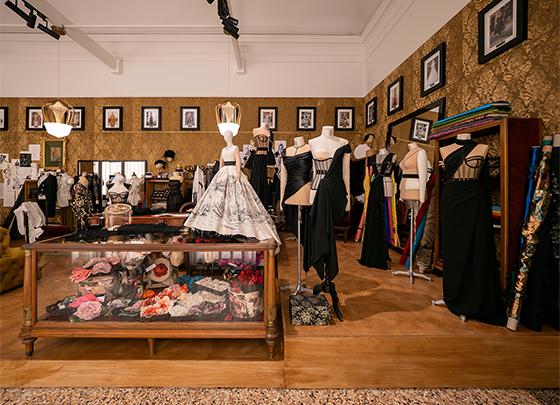
Black Sicily, the brand’s iconic colour, is the key feature of the garments on display. This crucial and meaningful chromatic choice empowers every woman to express her individuality.
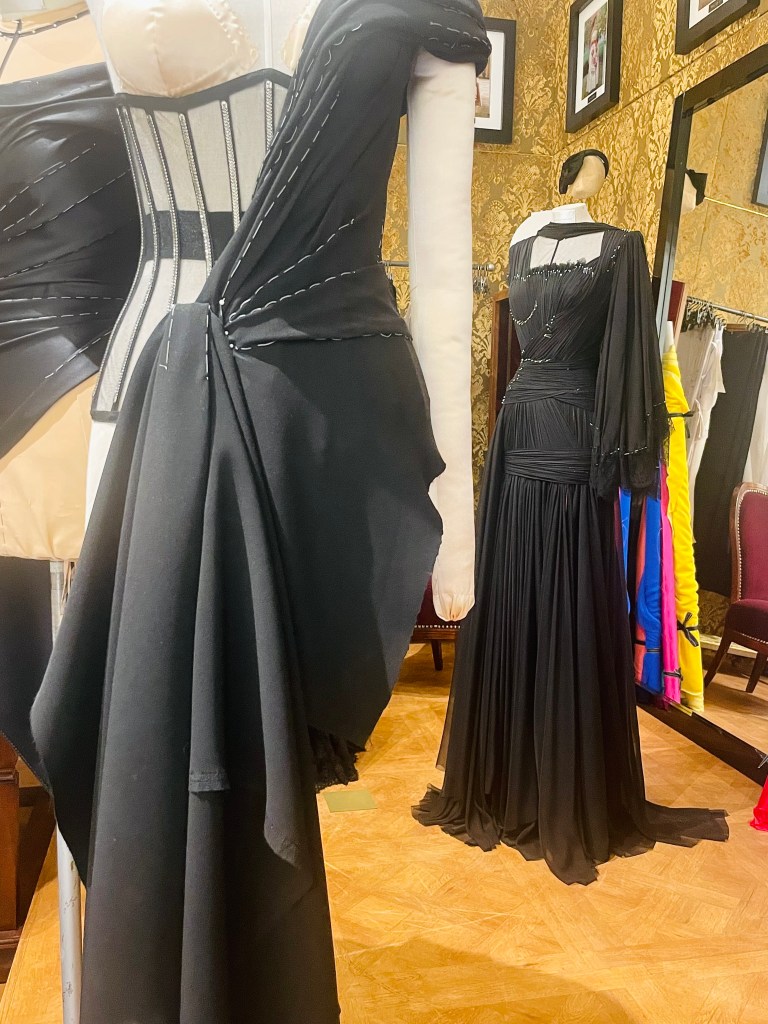
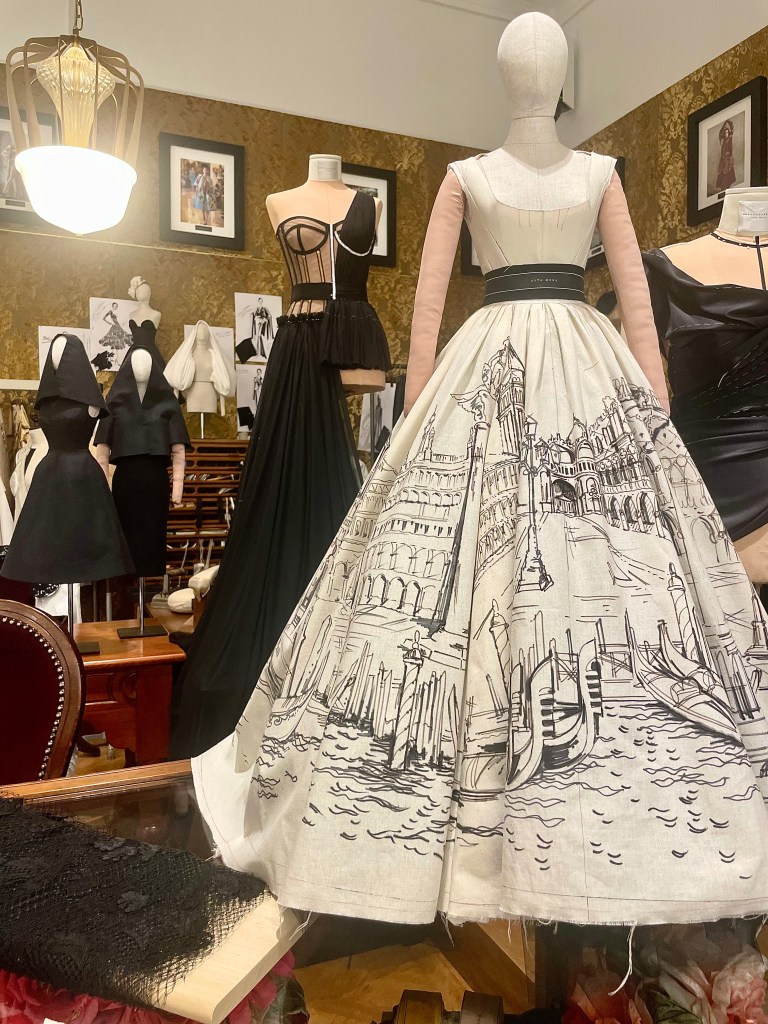
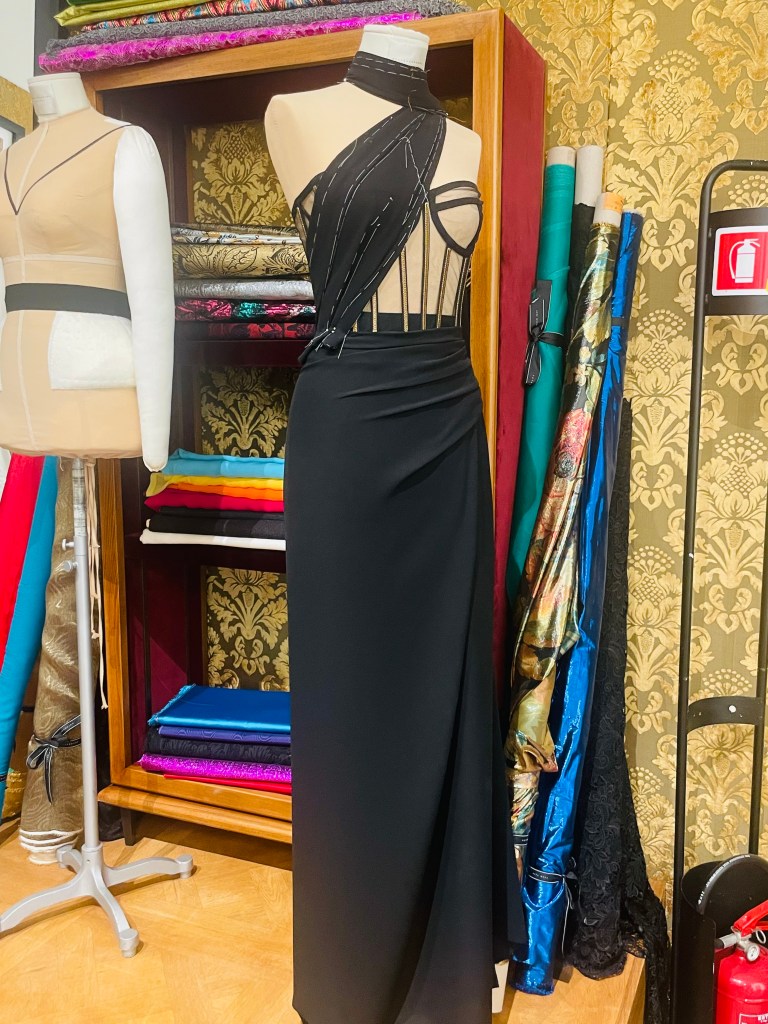
Visitors can have a sneak peek into creative process behind Alta Moda, Alta Sartoria and Alta Gioielleria of Dolce and Gabbana at the Atelier. One can look at not only how designers tailor and drape the dress but also how they come up with the pattern.
VI. Architectural and Pictorial
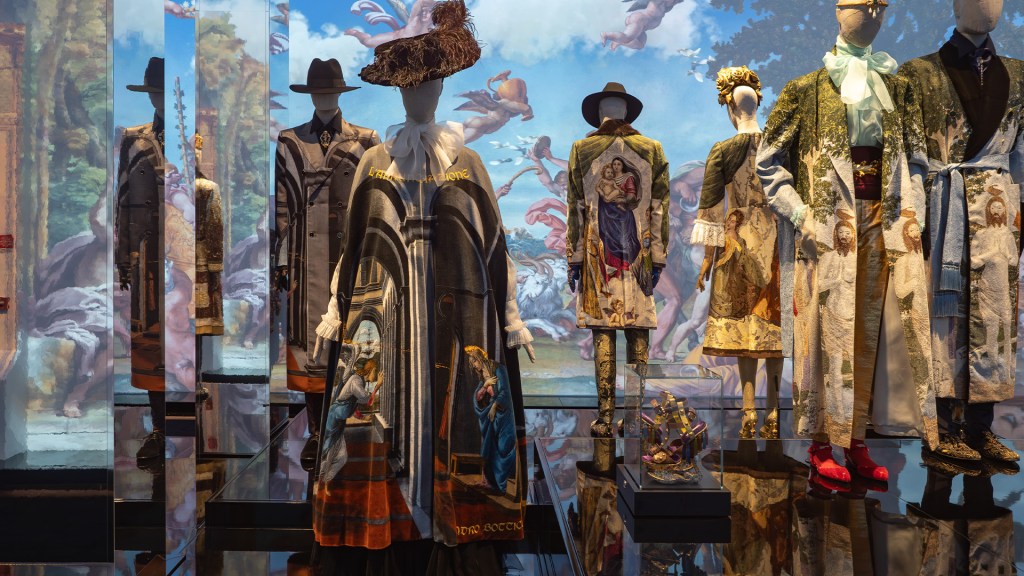
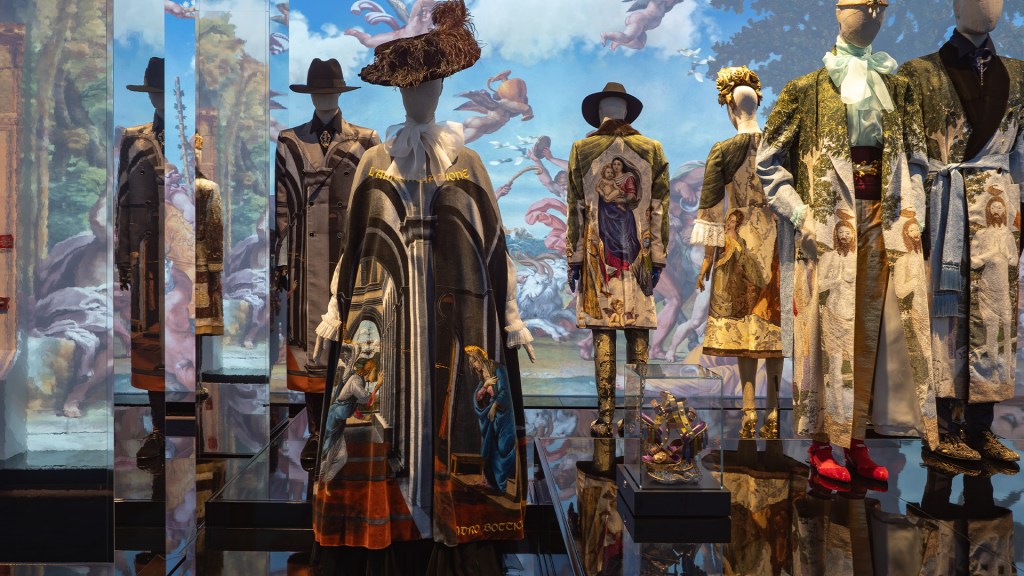
This room was an art historian and fashion lover’s heaven. I DID NOT want to get out of this room. The wall is filled with beautiful multimedia projections inspired by frescoes like The Love of Gods by Annibale Carracci in Palazzo Farnese (Now a French Embassy) in Rome. Palazzo Farnese was built for Farnese family after Alessandro Farnese had become Pope Paul III. His nephew commissioned an artist Annibale Carracci to complete the frescoes in the palace. The Love of Gods marks the highlight of the frescoes as not only it paved the beginning of the Baroque movement in Italy, but also Carracci blended the naturalism of high Renaissance with intense emotionality of the Baroque. The fresco depicts 13 different love stories such as the ones between Bacchus and Adriadne and Venus and Adonis.
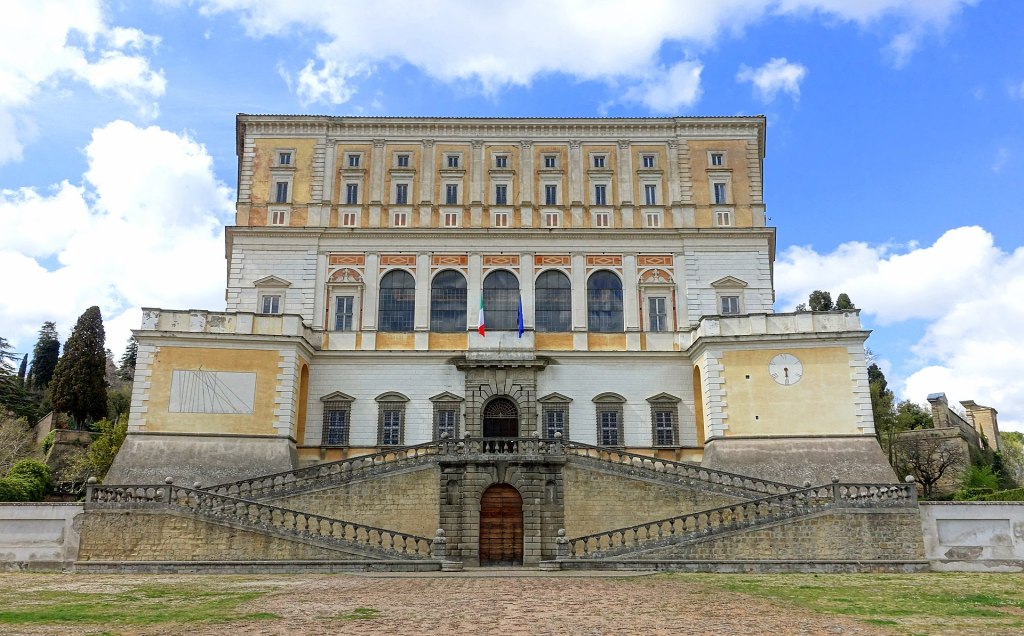

© Farnese Gallery
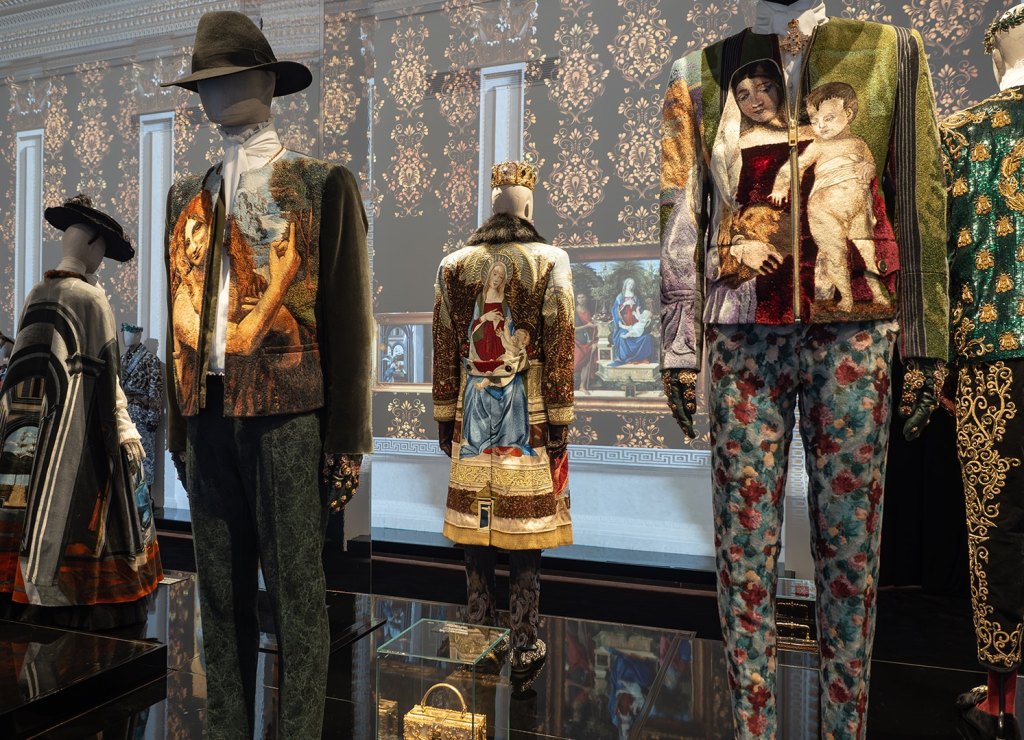
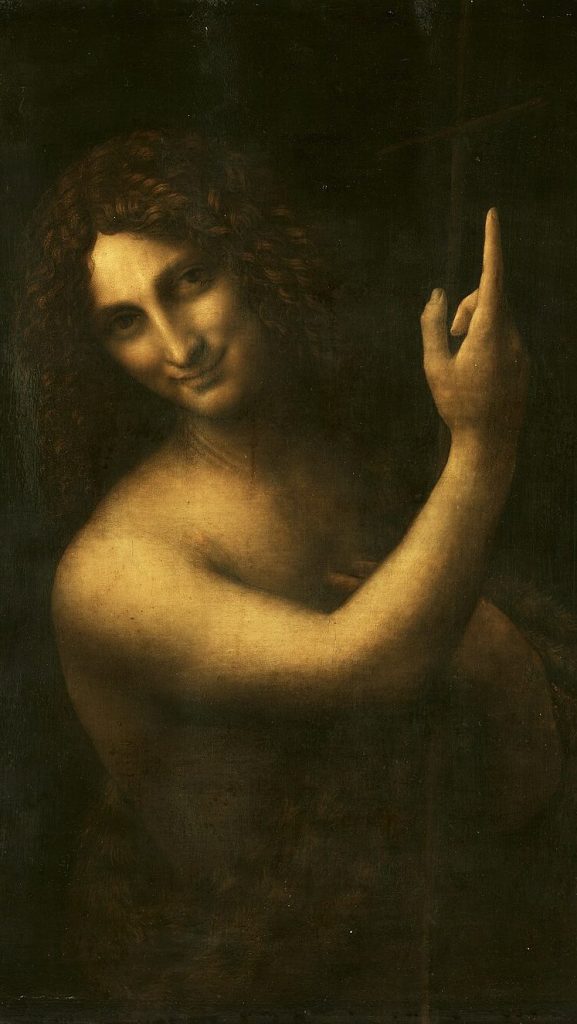
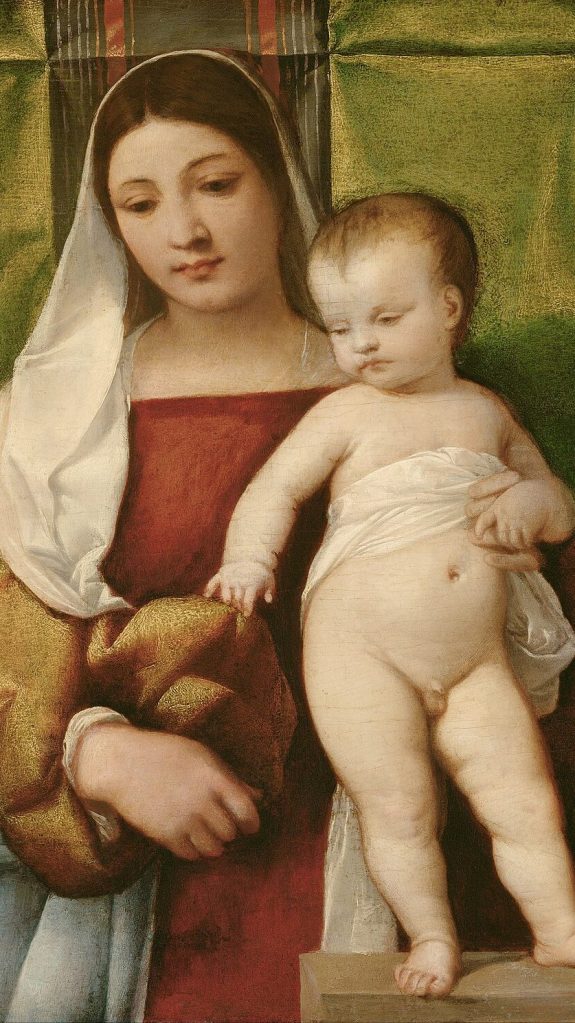
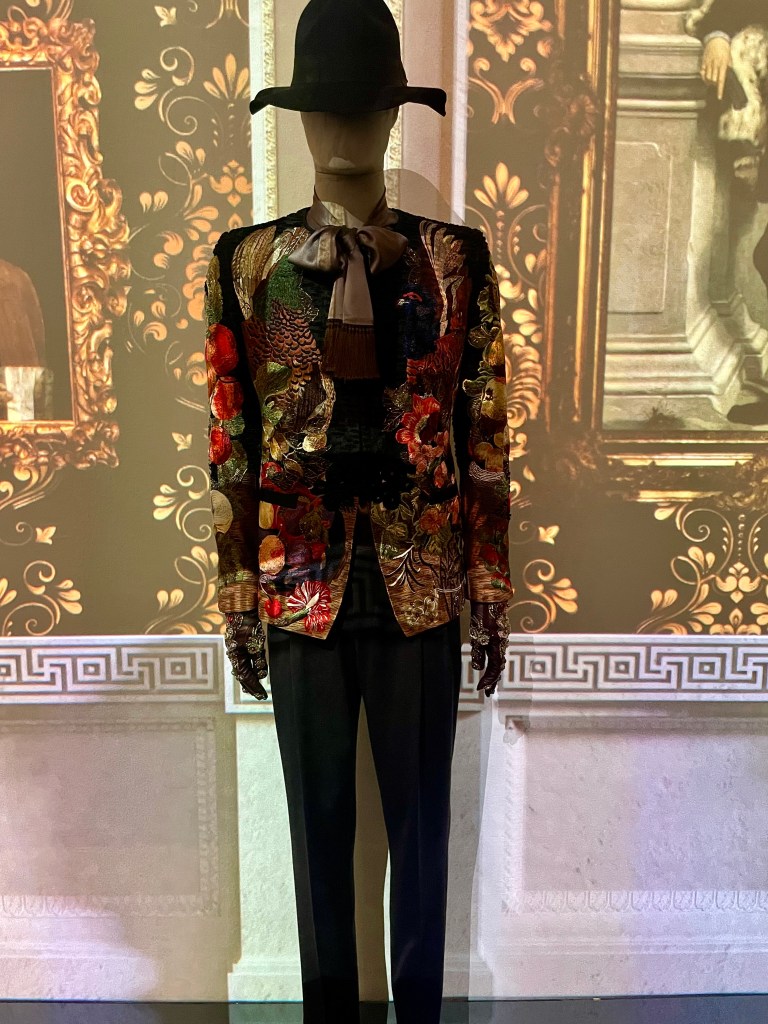
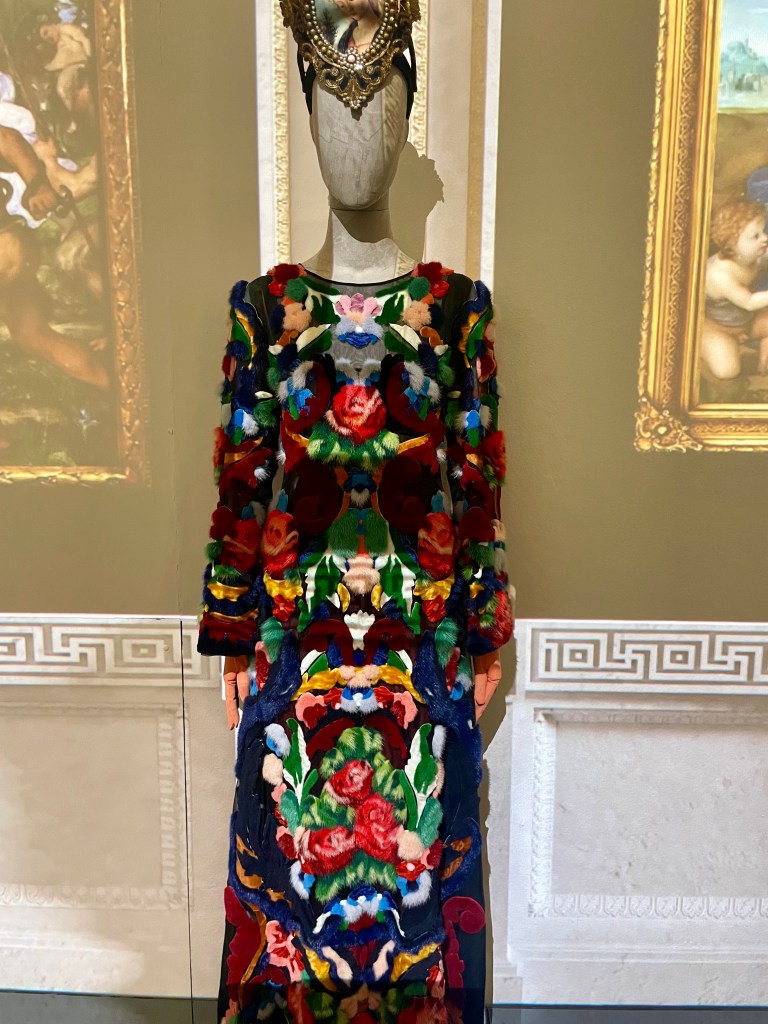
Each set of outfit represents great masters of Italian art such as Botticelli, Leonardo da Vinci, Raphael, Titian, Piero della Francesca, Giorgione, Salai, Caravaggio, and Moroni. The subjects of the paintings varies from religious paintings like the Annunciation and Madonna and Child, portraits, to still life. Obviously these artworks have spread all around the world as you can see on the map below just like how Renaissance sprout from Italy and spread all over the world. Also, it seems that it speaks to what Dolce & Gabbana has been doing, which was risen from Italy and Italian culture to be a global brand.

© CSG CIC Glasgow Museums Collection/ Courtesy of American Federation of Arts

Sistine Madonna (1513-4) ©Wikimedia




VIII. Sicilian Traditions
From here, visitors will traverse through three rooms, each drawing inspiration from the rich traditions of Sicily. The first room is arguably the most vibrant in the exhibit—filled with Sicilian crafts and folk arts that burst with color and life. Videos on the walls showcase local craftsmen who have done the hand-painted tiles in the room, preserving and passing on time-honored techniques and stories.
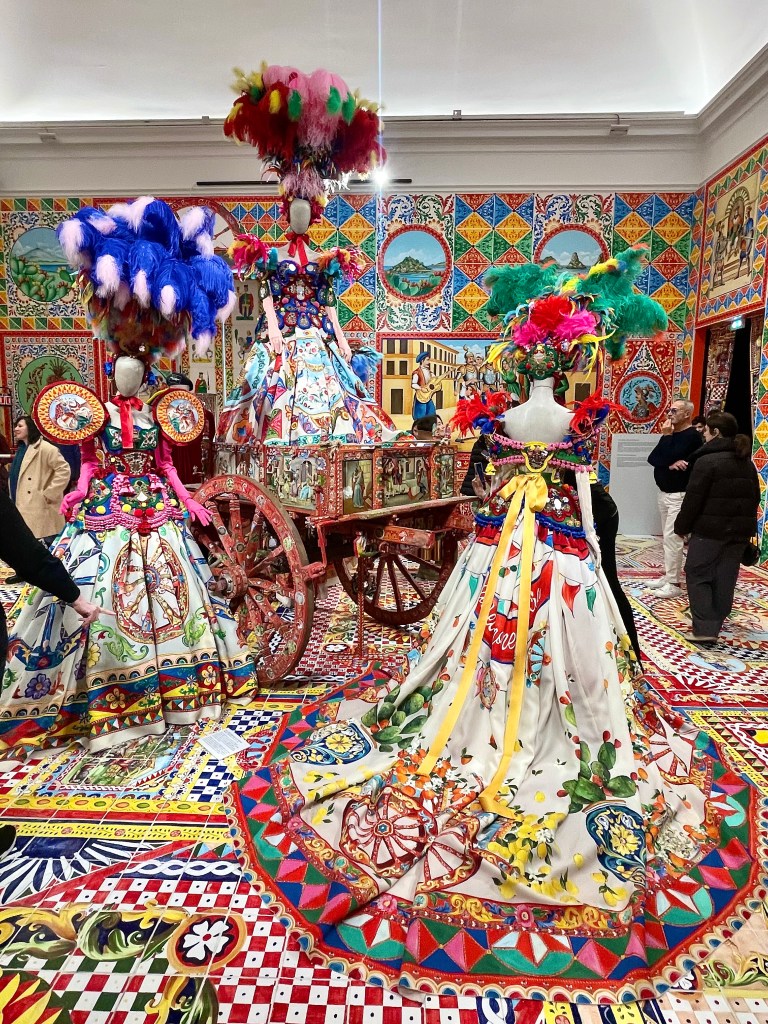
At the center of this room stands the iconic Sicilian cart (Carretto Siciliano/Carrettu Sicilianu)—an emblem of regional pride—complementing the display of three carnival-inspired dresses. Each dress is adorned with motifs of lemons, oranges, and fico d’india, which are signature symbols of Sicily’s abundant resources and heritage. The Sicilian cart, on the other hand, is known for its opulence marked by the paintings. The paintings not only protects the wood but also serve as medium for folklores, recounting tales of knights, love, and ancient valor.10 Additionally, refrigerators featuring the same motifs—a striking collaboration between Dolce & Gabbana and SMEG—bring these age-old patterns into a modern context.

This display is deeply rooted in Sicily’s storied past. Over centuries, the island absorbed a mosaic of influences—from Greeks, Arabs, Normans to Spanish—each leaving an indelible mark on its artistic traditions. These enduring motifs were born from a legacy of cultural fusion and creativity that has long defined Sicilian identity. Yet, Sicilian identity is not so simple as it is not limited by these motifs.
In modern times, this heritage found new expression through the visionary work of Domenico Dolce. His reinterpretation of traditional Sicilian symbols not only paid homage to the island’s historical narrative but also ensured that its vibrant legacy continues to inspire contemporary art and fashion.
VIII. White Baroque
Just as one may mistake the colorfulness and vibrance as the sole of Sicilian identity, the next room will completely surprise him or her with its sophisticated and elegance beauty.
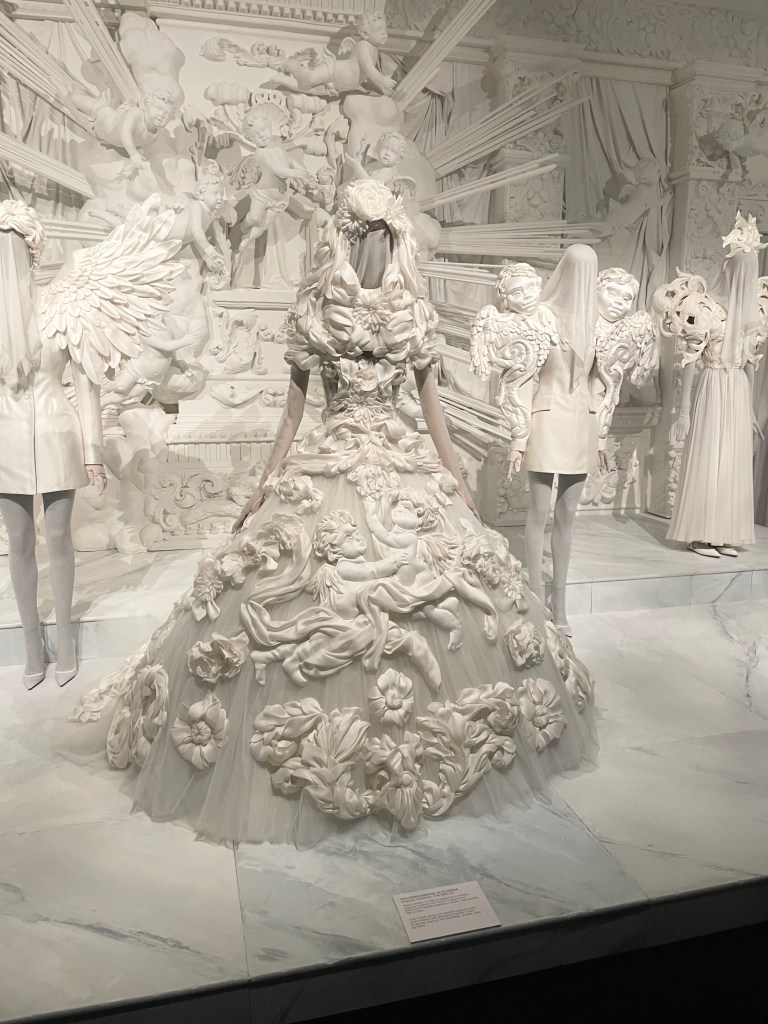
This collection is inspired one of the most incredible interior from the Oratorio di Santa Cita in Palermo. It is a little oratory in the corner of Palermo, often overlooked by bigger churches like Cathedral, and Santa Caterina. However, its sophiscated elegance has no comparison. As the title of the room, the style of the oratory can be described as “white baroque”. Often traced back to the word baroco in Portuguese that means flawed pearl, Baroque architecture refers to an highly decorated and dramatic style of architecture that emerged in the late 16th century in Italy. While there are elements that mark the Baroque architecture, one of the popular examples is Versaille with lots of opulent Golden ornaments. However, this place is strikingly all white yet its elegance is truly one of the top.
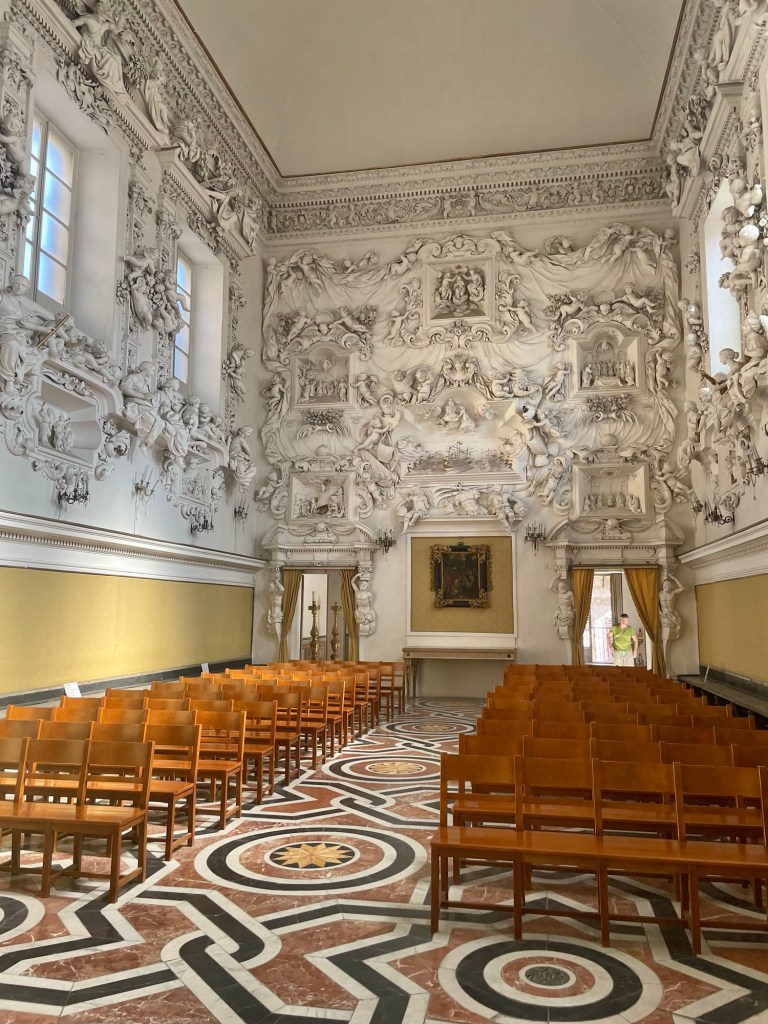
This Oratory was created by Giacomo Serpotta, a Sicilian sculptor who likely never left the island, yet his mastery transcends local boundaries . Born into a prominent family of sculptors, Giacomo and his brother Giuseppe ran a studio in Palermo, collaborating on numerous projects throughout the city . The Serpotta family, including Giacomo’s son Procopio, was immensely prolific in decorating churches and oratories across the region . At first glance, the Oratory appears to be crafted from white marble—one of the most luxurious architectural materials—but its sumptuous appearance is achieved with modest, locally sourced stucco, the Serpottas’ specialty. Stucco, typically made from lime and marble dust, was enhanced in Sicily with extra plaster to create a unique smoothness .11 Because stucco is a blend of materials that sets quickly, working it demands exceptional rapidity and dexterity, underscoring Serpotta’s remarkable skill . Serpotta began work on this oratory in 1687 and continued until 1718, filling the walls with botanical motifs and playful putti that showcase his mastery of illusionistic effects . He also introduced theatrical panels depicting the Mysteries of the Rosary—such as the Annunciation, the Baptism of Jesus in the Jordan, and the Crucifixion—unifying sculpture and narrative. 12 All these elements come together in a trompe‑l’œil effect that animates the space and highlights the virtuosity of Sicilian artistry.
IX. Dream of Divinity
As previously discussed, the land of Sicily has always astonished visitors with its rich and diverse cultural heritage. Throughout history, Sicily was ruled by a succession of powers, including the Phoenicians, Carthaginians, Romans, Normans, Arabs, and Spanish, to name just a few. Among them, the Greeks left a particularly significant mark on the island. While the general public often associates surviving Greek temples with the Acropolis and the Parthenon, Sicily boasts its own remarkable collection in the Valley of the Temples (Valle dei Templi) in Agrigento, southern Sicily. This site includes the ruins of the Temple of Zeus, which, if completed, would have been even larger than the Parthenon.13
Sicily’s strong connection to Greek culture is no surprise, as it is prominently featured in Greek mythology. For example, Mount Etna was believed to be the forge of Hephaestus and the place where the gods of Olympus imprisoned the giant Typhon, who attempted to overthrow them. With such deep roots in Greek legend and history, it is unsurprising that Dolce drew on Greek influences for his collection.
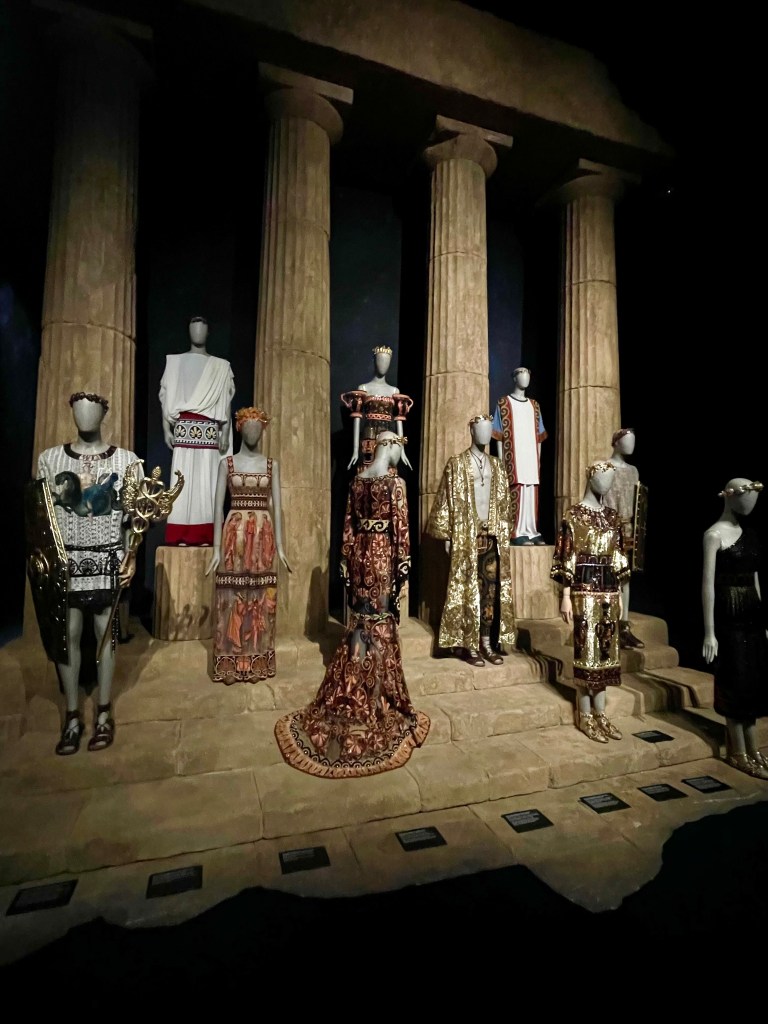
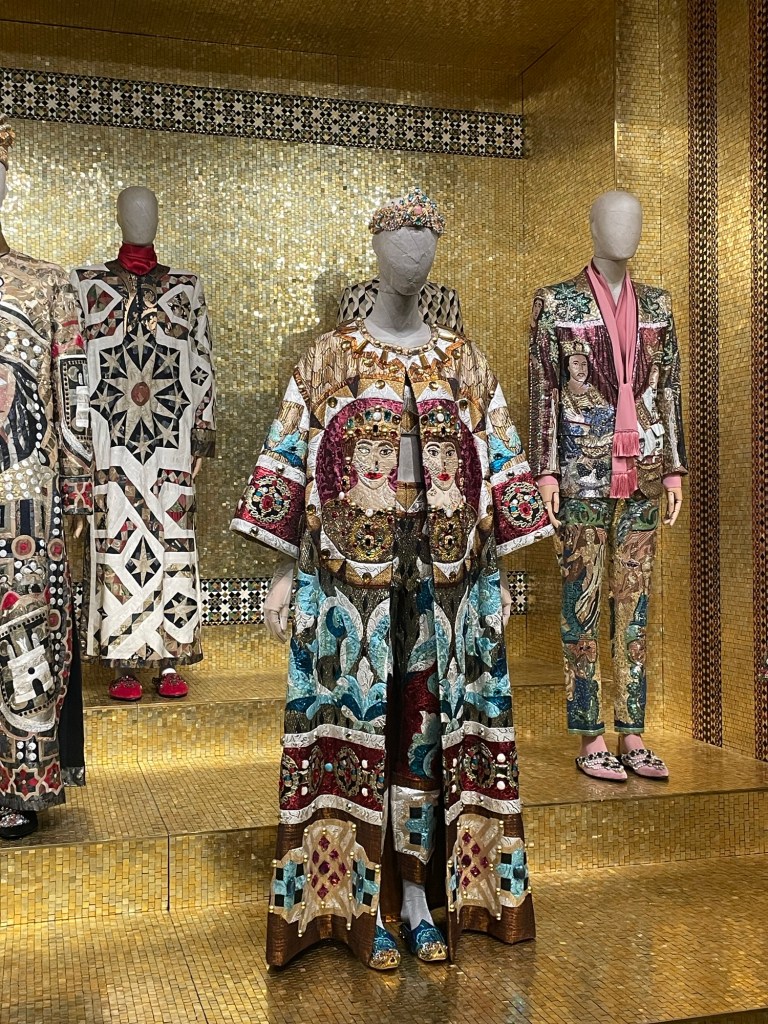
The collection incorporates motifs such as amphoras (the characteristic black- and red-figure Greek vases), ancient Greek attire including gladiator sandals, laurel wreaths, and tunics, as well as patterns like the Vitruvian scroll (resembling waves) and the anthemion (resembling a palm leaf). The backdrop of the collection resembles the Temple of Concordia from the Valley of the Temples, which served as a primary source of inspiration.
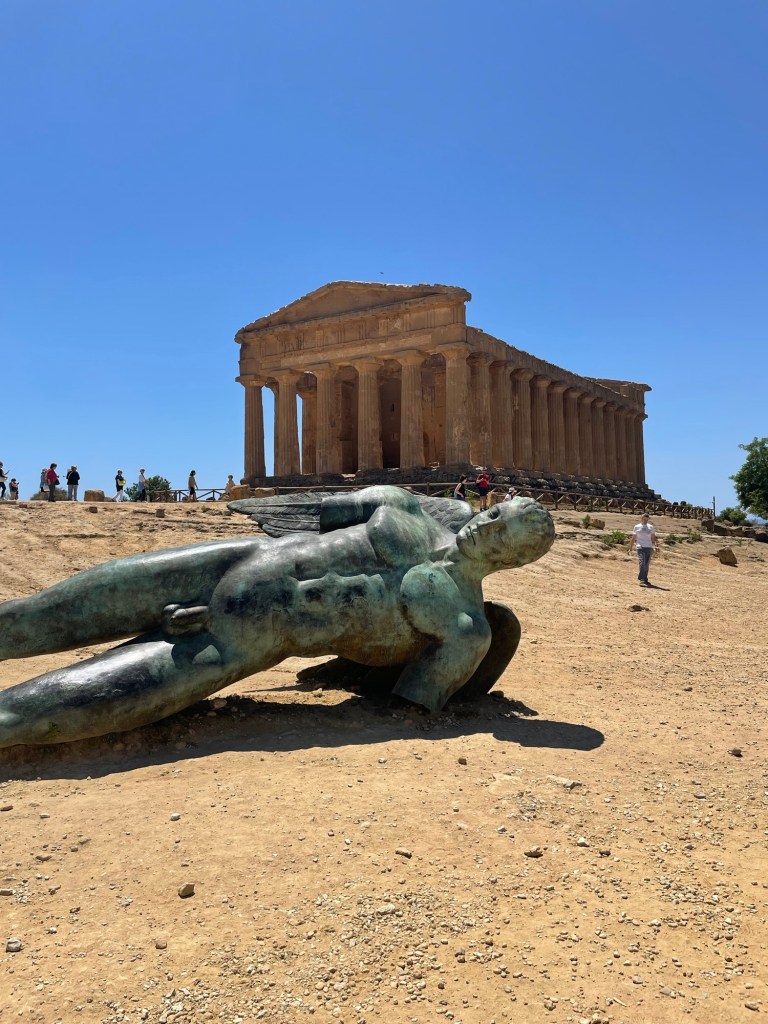
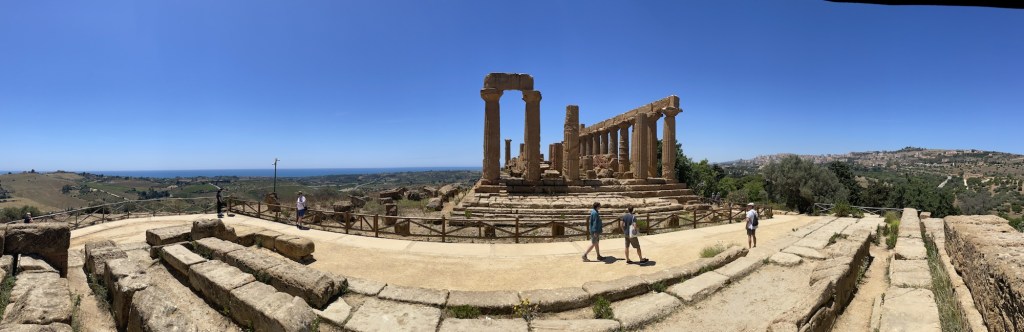

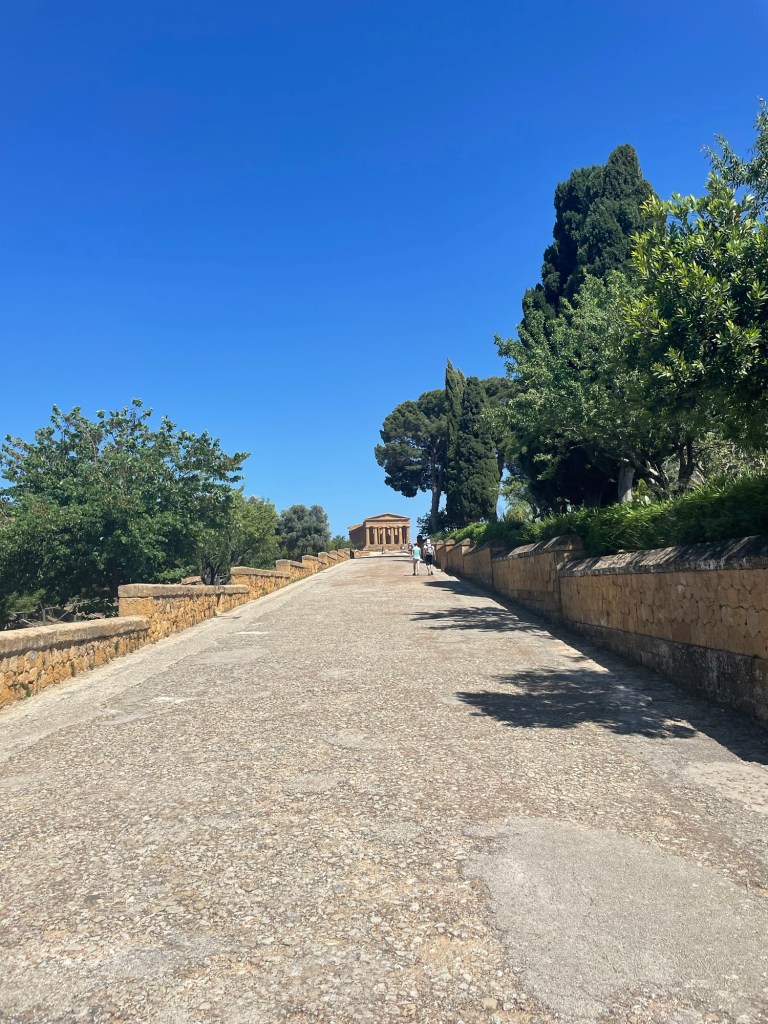
Valle dei Templi (Valley of the Temples) is a UNESCO World Heritage archaeological site in Agrigento, spanning over 3,200 acres, making it the largest archaeological park in Europe.14 The site contains the remains of seven major temples: those dedicated to Concordia, Hera, Hercules, Zeus, Castor and Pollux, Hephaestus, and Asclepius. All temples were constructed in the Doric style, characterized by its simple, sturdy columns without bases—one of the earliest forms of Greek architecture.15 Around the late 8th century BCE, Greek settlers arrived in Sicily seeking new opportunities. Though initial years were difficult, Sicily’s abundant natural resources eventually enabled the region to grow wealthy and powerful within the Mediterranean world. The construction of monumental temples served as a testament to this success. The very ambition of building a Temple of Zeus larger than the Parthenon indicates the prosperity and confidence of the Greek settlers. As a native Sicilian, Dolce likely found the Greek legacy essential to highlight within his collection.
However, Greek influence was only one among many. Over centuries, various ruling powers—Norman, Arab, Spanish, Roman, and others—introduced their own cultural traditions to Sicily, resulting in a rich, hybridized style. While Sicily today remains predominantly Catholic as part of Italy, some of its churches showcase architectural styles distinct from other Catholic churches across the country, reflecting this complex history.
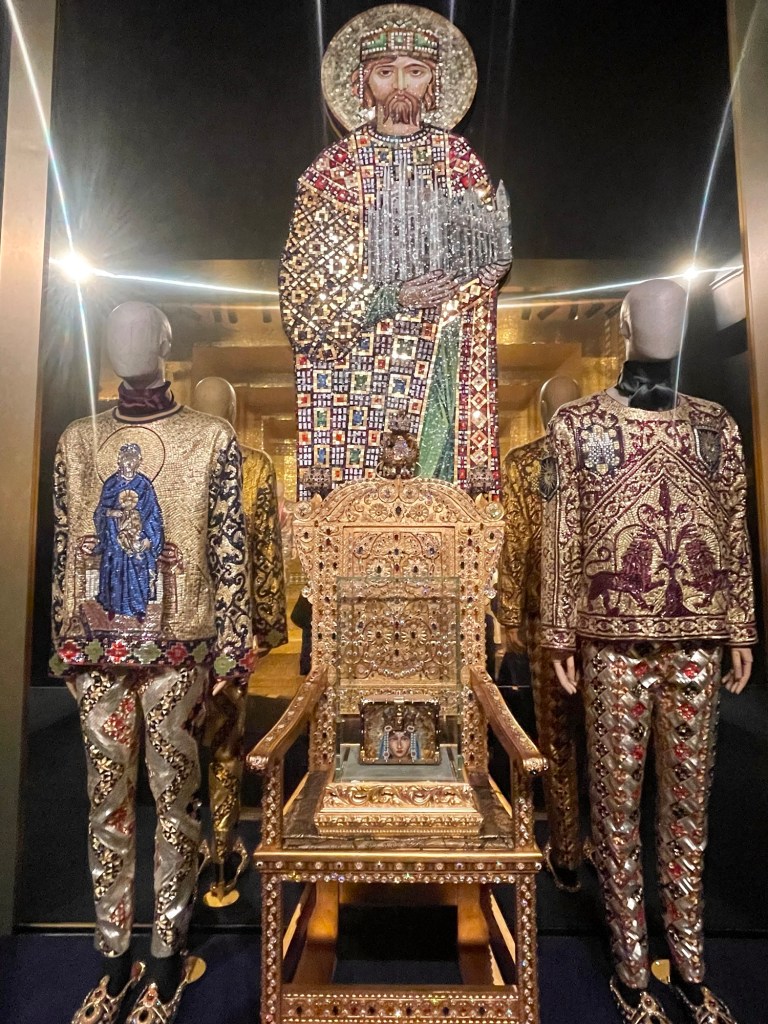
Two iconic examples are the Cathedral of Monreale and the Palatine Chapel in Palermo. Both were originally built as royal chapels for the Norman rulers and exhibit a unique architectural style known as Arab-Norman (also referred to as Arab-Norman-Byzantine) style.16 These churches combine Norman facades with Islamic structural elements such as pointed arches, and Byzantine-inspired interior decorations like gold mosaics, creating a striking and unique atmosphere for Catholic worship spaces.
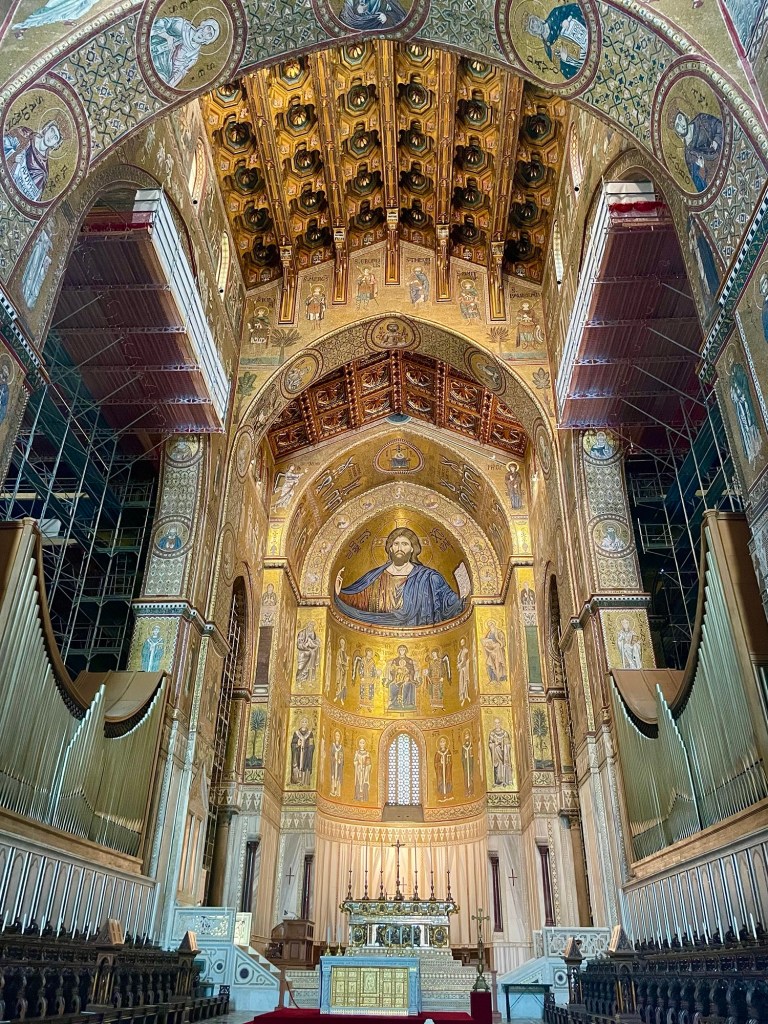
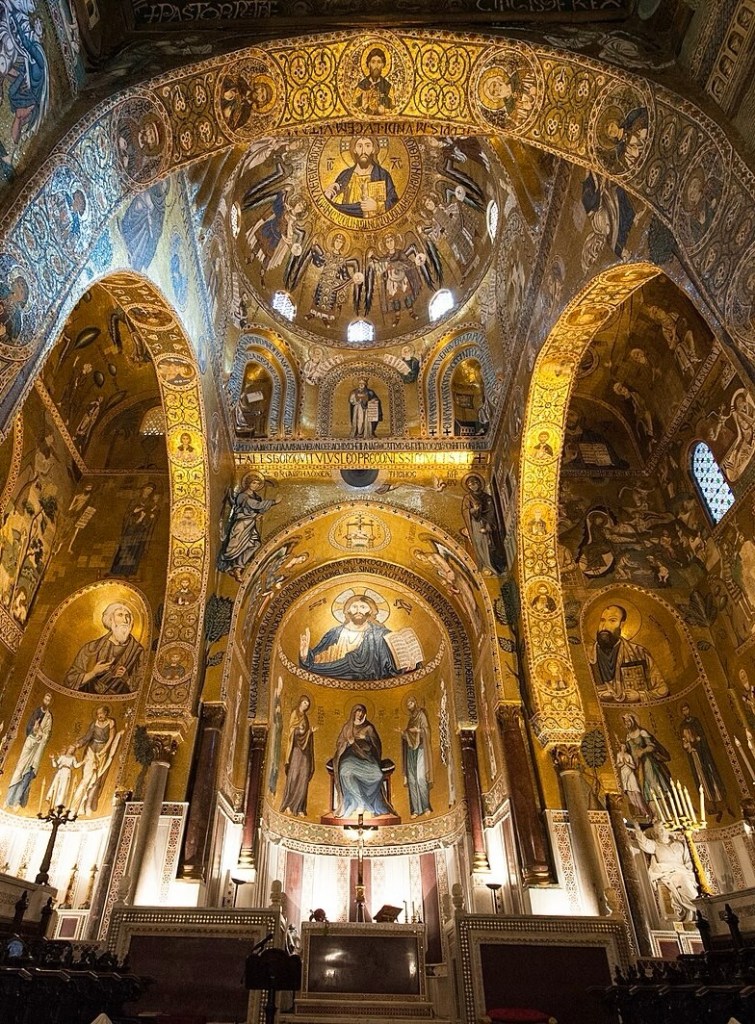
The collection featured richly embroidered fabrics, opulent gold threading, and vivid jewel tones, directly mirroring the visual splendor of the Byzantine mosaics inside the cathedral. Motifs such as saints, angels, and intricate geometric patterns appeared on dresses, evoking the sacred art of the church. By translating the visual language of medieval Sicily into contemporary haute couture, Dolce & Gabbana not only paid homage to their heritage but also reimagined the historic craftsmanship of Sicily’s Arab-Norman era for a modern, global audience.
X. Opera
The final act of Dolce & Gabbana’s exhibition turned its attention to opera, a cornerstone of Italian cultural heritage. Italy is the birthplace of opera and home to legendary composers such as Giuseppe Verdi, Giacomo Puccini, Gioachino Rossini, and Vincenzo Bellini, whose masterpieces—La Traviata, Turandot, The Barber of Seville, and Norma—are still performed worldwide. Milan, now the home base of Dolce & Gabbana, hosts La Scala (Teatro alla Scala), one of the most revered opera houses in the world. This iconic theater has long been a stage for stories that reflect the passions, struggles, and spirit of Italian life. True to their ethos, Dolce & Gabbana have consistently drawn from these deep cultural wells, incorporating elements of Italian identity into their collections.
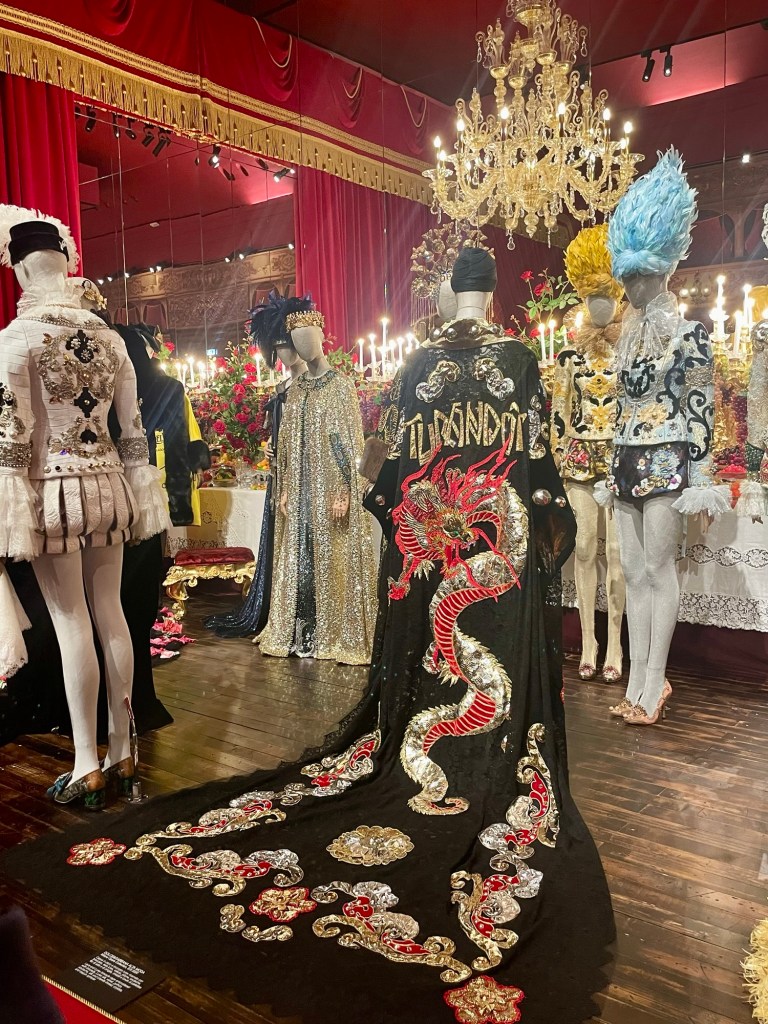
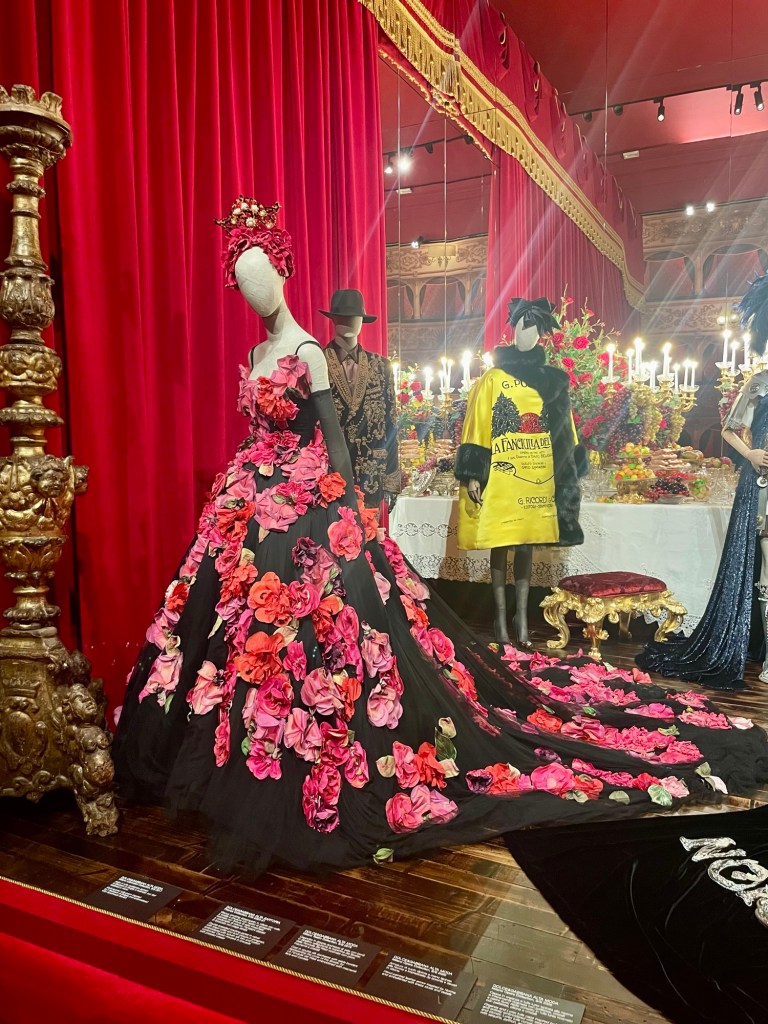

Dolce & Gabbana’s work has always carried a distinctly theatrical quality, and this comes to life in the “Opera” space of their Dal Cuore Alle Mani exhibition. More than a tribute to Italy’s operatic legacy, this section highlights how the designers approach fashion as performance—where every garment tells a story and every detail serves dramatic effect. With silhouettes that echo stage costumes and embellishments that rival set design in their opulence, the pieces on display channel the grandeur of the Italian opera tradition. Indeed, fashion becomes spectacle, and Dolce & Gabbana reaffirm their role as storytellers of Italian culture through theatrical vision and emotional intensity.
The great film director Martin Scorsese once said, “The most personal is the most creative.” Dolce & Gabbana have not only expressed their personal identities through fashion but have also vividly captured the historical and regional contexts from which those identities emerge. A lesser-known fact about Italy is that its unification is relatively recent; prior to that, each region maintained its own distinct culture and traditions. This regional diversity has shaped the richness of Italian culture today. Dolce & Gabbana have masterfully woven this diversity into their collections, presenting a vibrant and multifaceted image of Italy. Through their opulent designs and fresh interpretations of both historical and contemporary Italian art and craftsmanship, they have given these cultural nuances global resonance. While the exhibition is titled Dal Cuore Alle Mani (From the Heart to the Hands), it also works in reverse—dalle mani al cuore—leaving visitors with lasting inspiration in their hearts.
After success in Paris and Milan, the exhibition Dal Cuore Alle Mani will start in Palazzo Esposizioni in Rome, Italy from May 14th to August 13th. Highly highly recommended!
https://www.palazzoesposizioniroma.it/mostra/dal-cuore-alle-mani-dolce-e-gabbana
- “Roman Glass,” Department of Classics, July 26, 2019, https://www.colorado.edu/classics/overview/field-school-exhibits/roman-glass. ↩︎
- “The Origins of Venetian Glassmaking,” Museo del Vetro, July 19, 2021, https://museovetro.visitmuve.it/en/il-museo/in-depth/teodoro-correr/. ↩︎
- United States Bureau of Foreign and Domestic Commerce (1917). Commerce Report. Washington, D.C.: U.S. Department of Commerce. P.789 ↩︎
- Shotwell, David J. (2002). Glass A to Z. Iola, Wisconsin: Krause Publications. 366 ↩︎
- Toso, Gianfranco (2000). Murano : A History of Glass. Antique Collectors Club Limited. 36-40 ↩︎
- “1963 – Visconti, the Leopard,” Fashion History Timeline, December 15, 2017, https://fashionhistory.fitnyc.edu/1963-visconti-the-leopard/. ↩︎
- “Villa Boscogrande: Eleganza e Storia Della Nobiltà Siciliana,” Villa Boscogrande , September 29, 2023, https://villaboscogrande.it/la-villa/. ↩︎
- Giovanna Dell’orto, “Nearly 80% of Italians Say They Are Catholic. but Few Regularly Go to Church,” AP News, October 6, 2023, https://apnews.com/article/italy-religion-catholic-church-secular-032f2e49ba1a7149407ad25a62b481ab. ↩︎
- “Opening for the Year of Priest on the 150th Anniversary of John Mary Vianney”. vatican.va. Jun 19, 2009. Archived from the original on December 24, 2017. https://www.vatican.va/content/benedict-xvi/en/homilies/2009/documents/hf_ben-xvi_hom_20090619_anno-sac.html ↩︎
- “Il Carretto: Icona Dell’identità Siciliana, Progetto Dell’assessorato Beni Culturali.” Regione Siciliana. Accessed March 26, 2025. https://www.regione.sicilia.it/la-regione-informa/carretto-icona-identita-siciliana-progetto-assessorato-beni-culturali. ↩︎
- Garstang, Donald. Giacomo Serpotta and the stuccatori of Palermo, 1560-1790. London: A. Zwemmer, 1984. 48 ↩︎
- Ibid 68 ↩︎
- UNESCO World Heritage Centre. “Archaeological Area of Agrigento.” Accessed April 27, 2025. https://whc.unesco.org/en/list/831/. ↩︎
- Ibid. ↩︎
- Italia.it. “Valley of the Temples: Doric Temples of Agrigento.” Accessed April 27, 2025. https://www.italia.it/en/sicily/agrigento/things-to-do/agrigento-valley-of-the-temples. ↩︎
- UNESCO World Heritage Centre. “Arab-Norman Palermo and the Cathedral Churches of Cefalù and Monreale.” Accessed April 27, 2025. https://whc.unesco.org/en/list/1487/. ↩︎
 thecrtd.com

Leave a comment